UPDATE 20/07/2026 – GAA WORLD GAELIC GAMES : A historic page has just been written in Waterford during the GAA Football World Championships! The French women's Gaelic football team has claimed the world title at the GAA World Gaelic Games becoming the first French team ever to achieve this ultimate honour! A stunning victory against San Francisco in the final (23-7), on the very land where this sport was born. Comhghairdeas !
There are commitments that go beyond a simple partnership. For us, supporting Gaelic sports in France means defending something essential: the vitality of a culture that we embrace every day. This summer, Le Comptoir Irlandais is supporting three passionate organizations during major competitions in France, Spain, and Ireland.
Gaelic football wasn't invented overnight. Its origins date back to the ancient ball games played in Ireland for centuries during village gatherings and community festivals. These games had no uniform rules—each county and each parish had its own customs—but they shared the same purpose: bringing people together, affirming a sense of belonging, and fostering a spirit of community.
It was in 1884 that everything changed. The founding of the Gaelic Athletic Association (GAA) marked the beginning of the modern era for Gaelic football: codified rules, organized competitions, and, above all, a clearly stated goal: to preserve and promote Irish culture in the face of outside influences.
The GAA will not merely organize games; it will become one of the pillars of Irish national identity, alongside the language and traditional music.
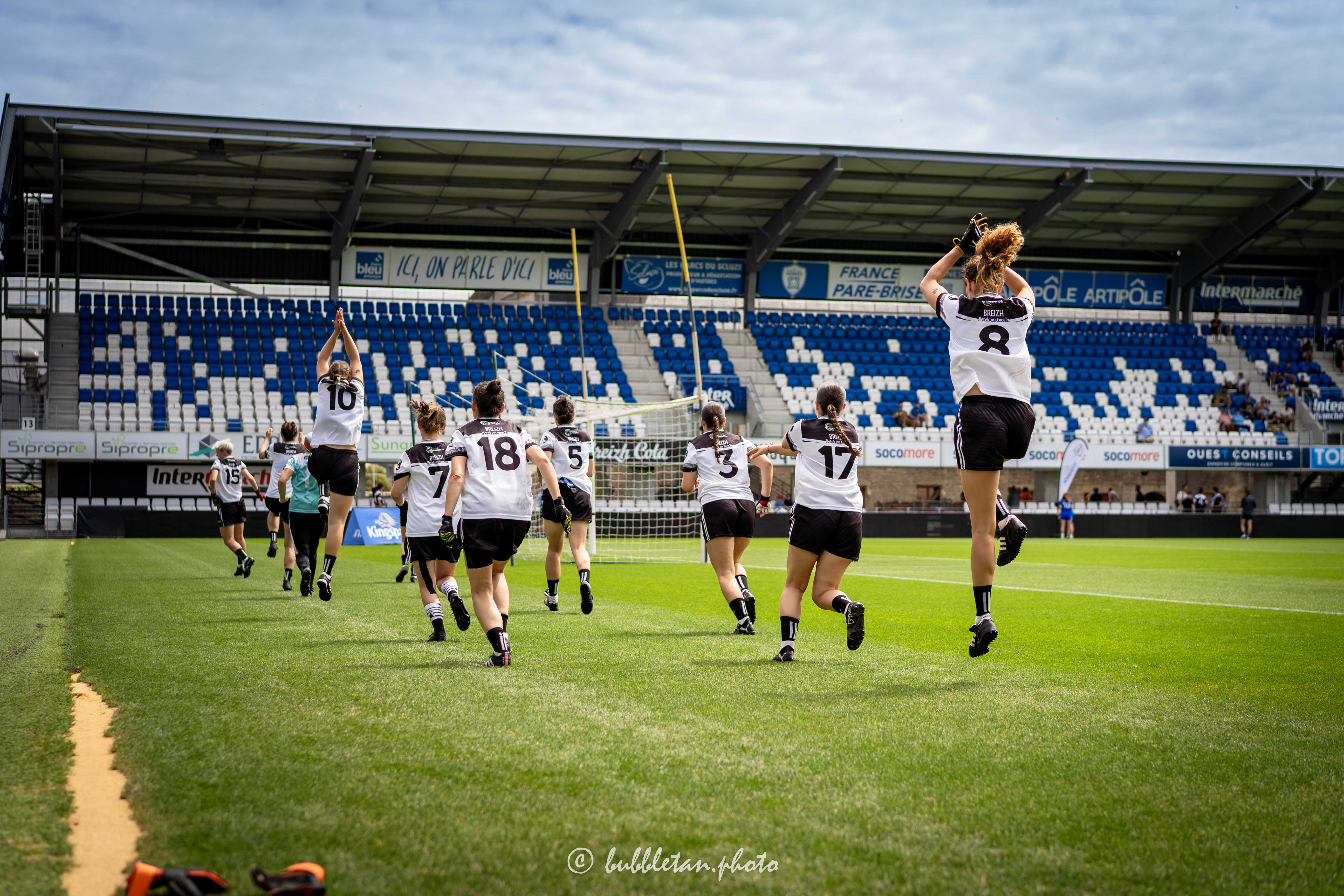
Gaelic football wasn't invented overnight. Its origins date back to the ancient ball games played in Ireland for centuries during village gatherings and community festivals. These games had no uniform rules—each county and each parish had its own customs—but they shared the same purpose: bringing people together, affirming a sense of belonging, and fostering a spirit of community.
It was in 1884 that everything changed. The founding of the Gaelic Athletic Association (GAA) marked the beginning of the modern era for Gaelic football: codified rules, organized competitions, and, above all, a clearly stated goal: to preserve and promote Irish culture in the face of outside influences.
The GAA will not merely organize games; it will become one of the pillars of Irish national identity, alongside the language and traditional music.
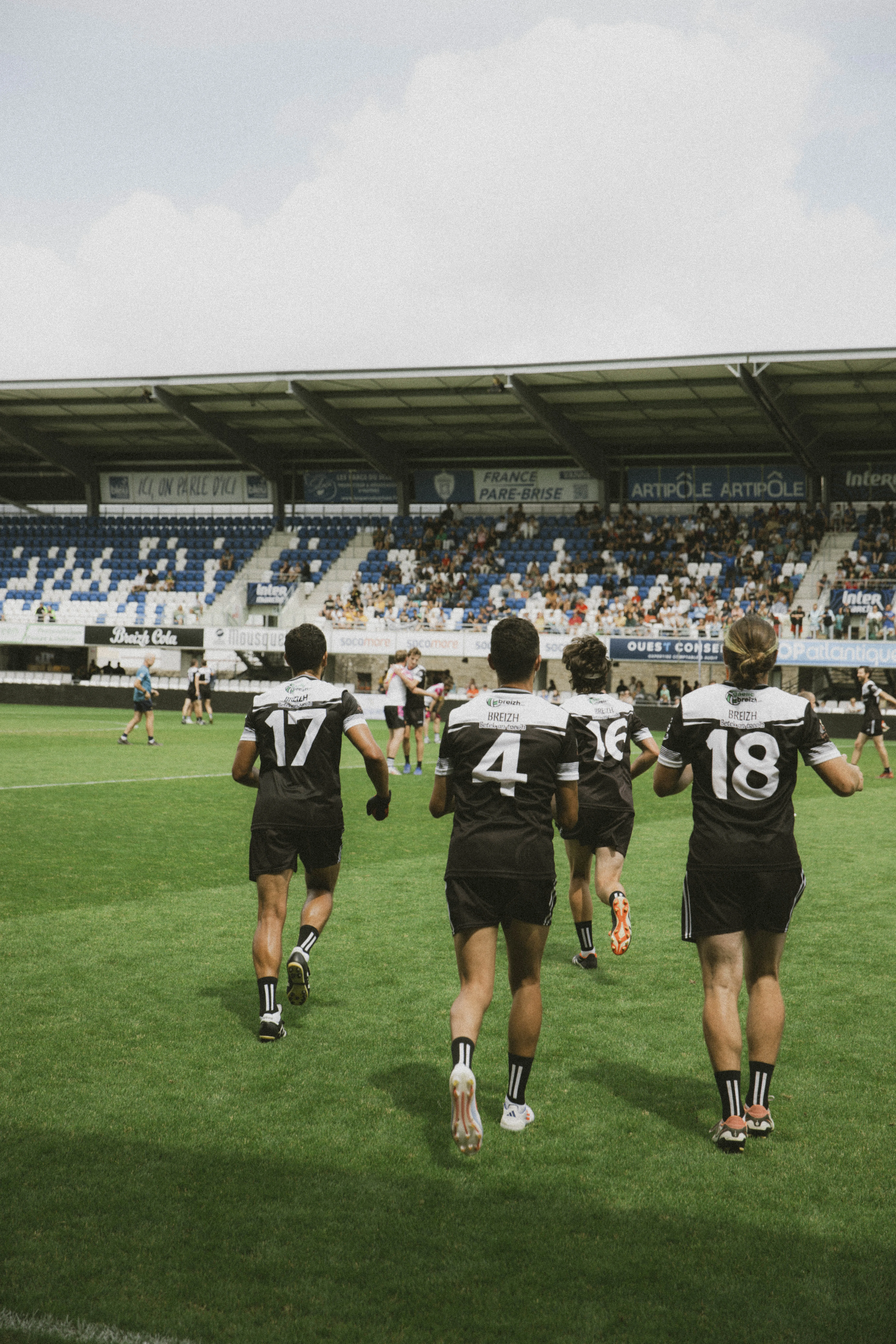
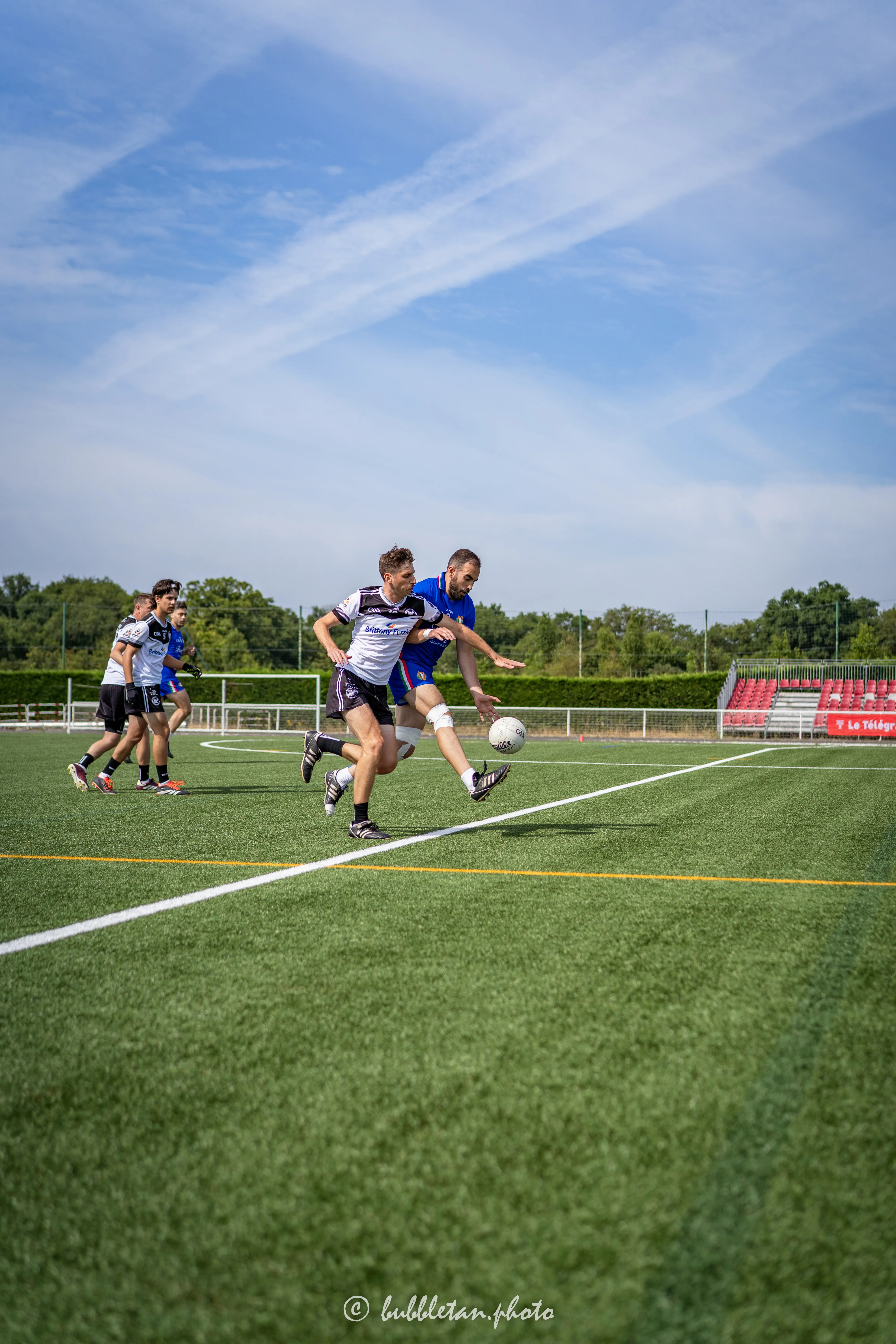
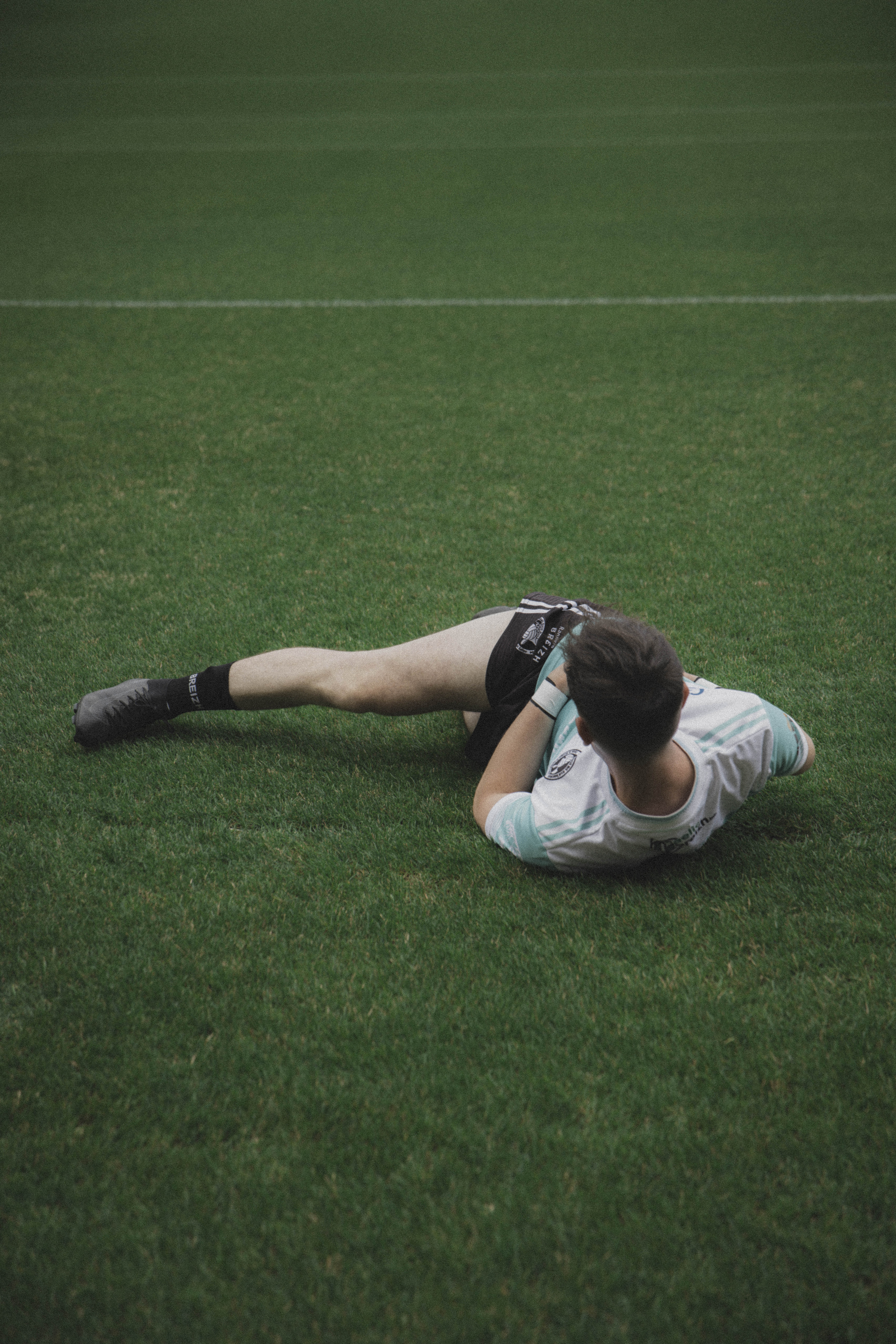
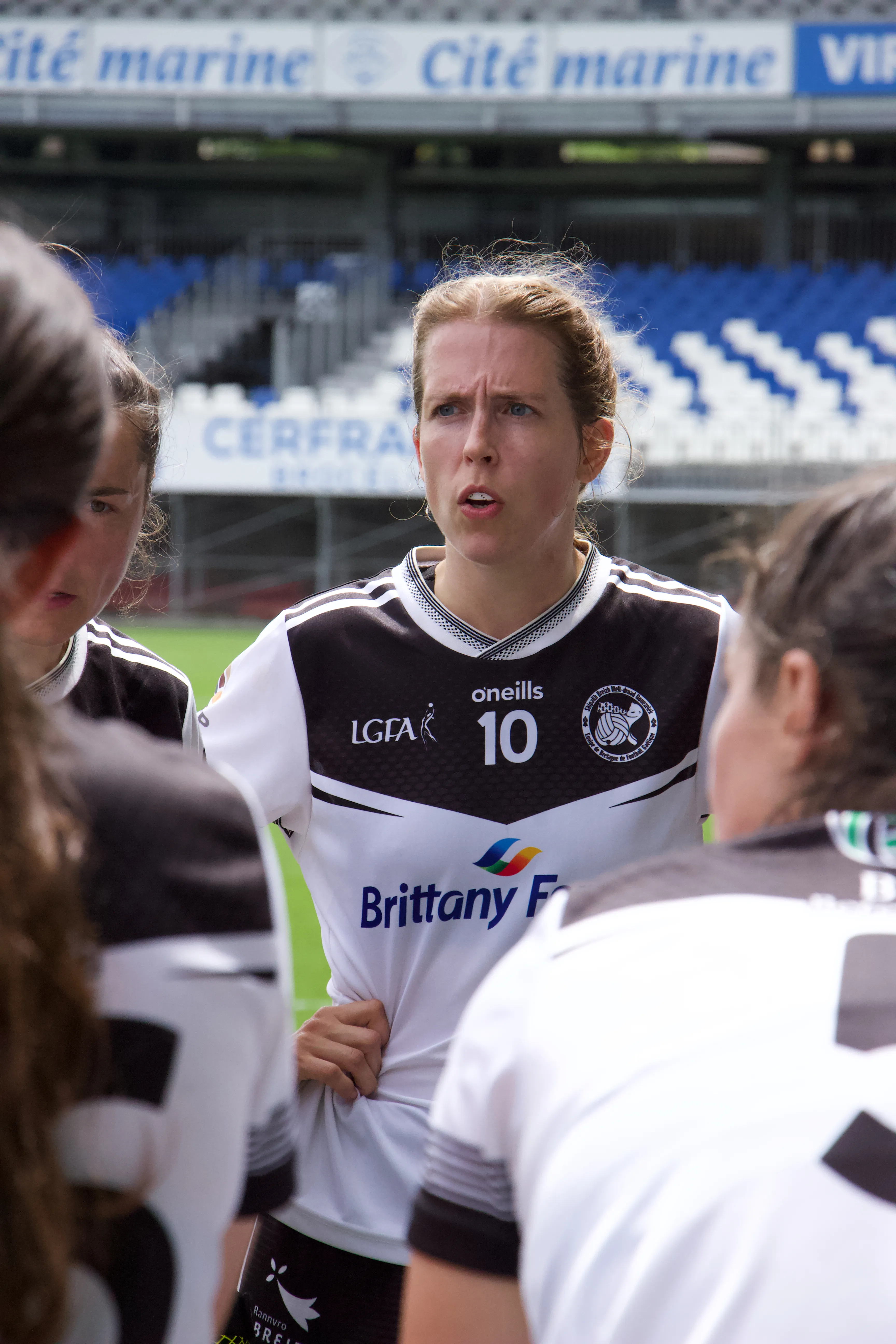
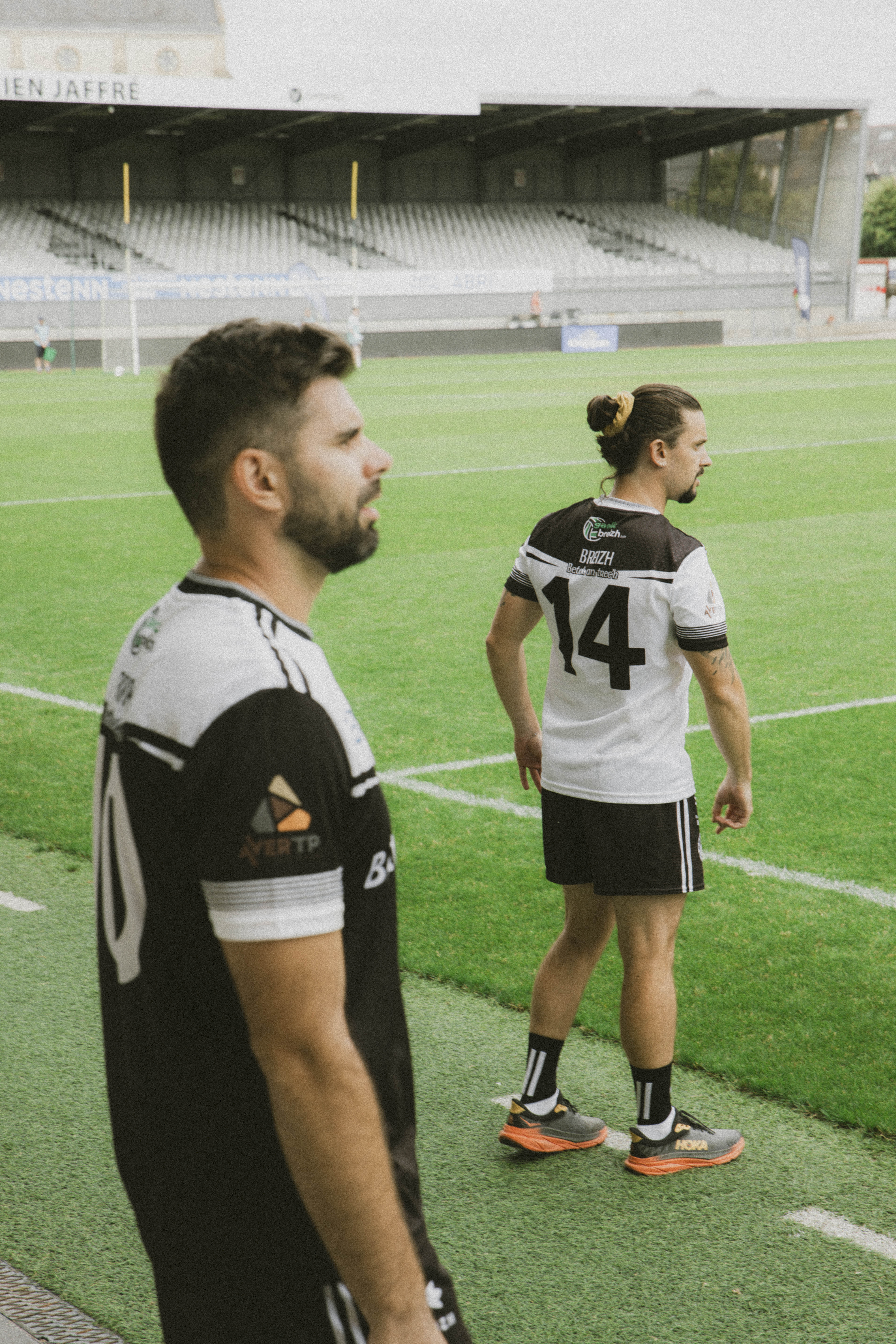
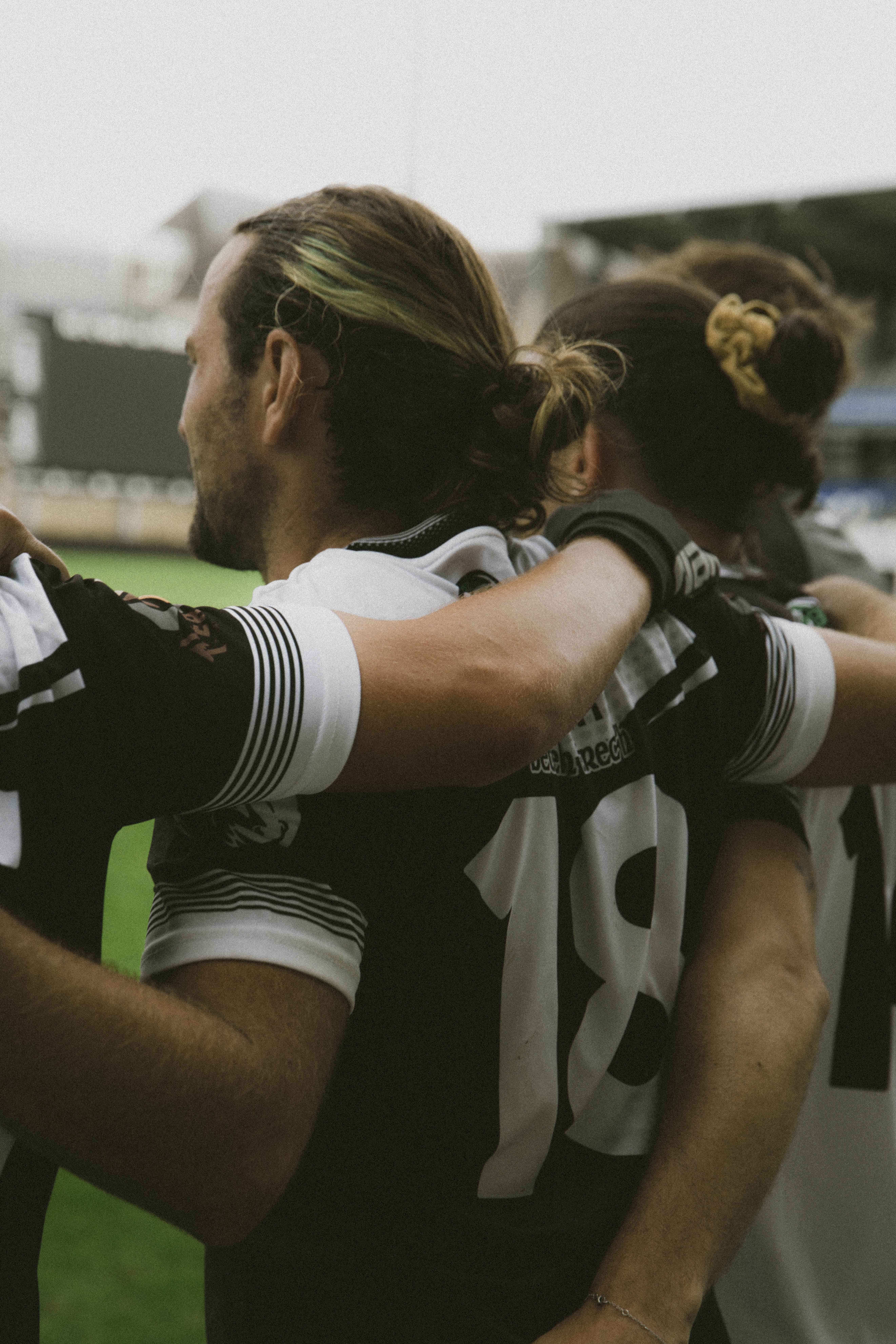
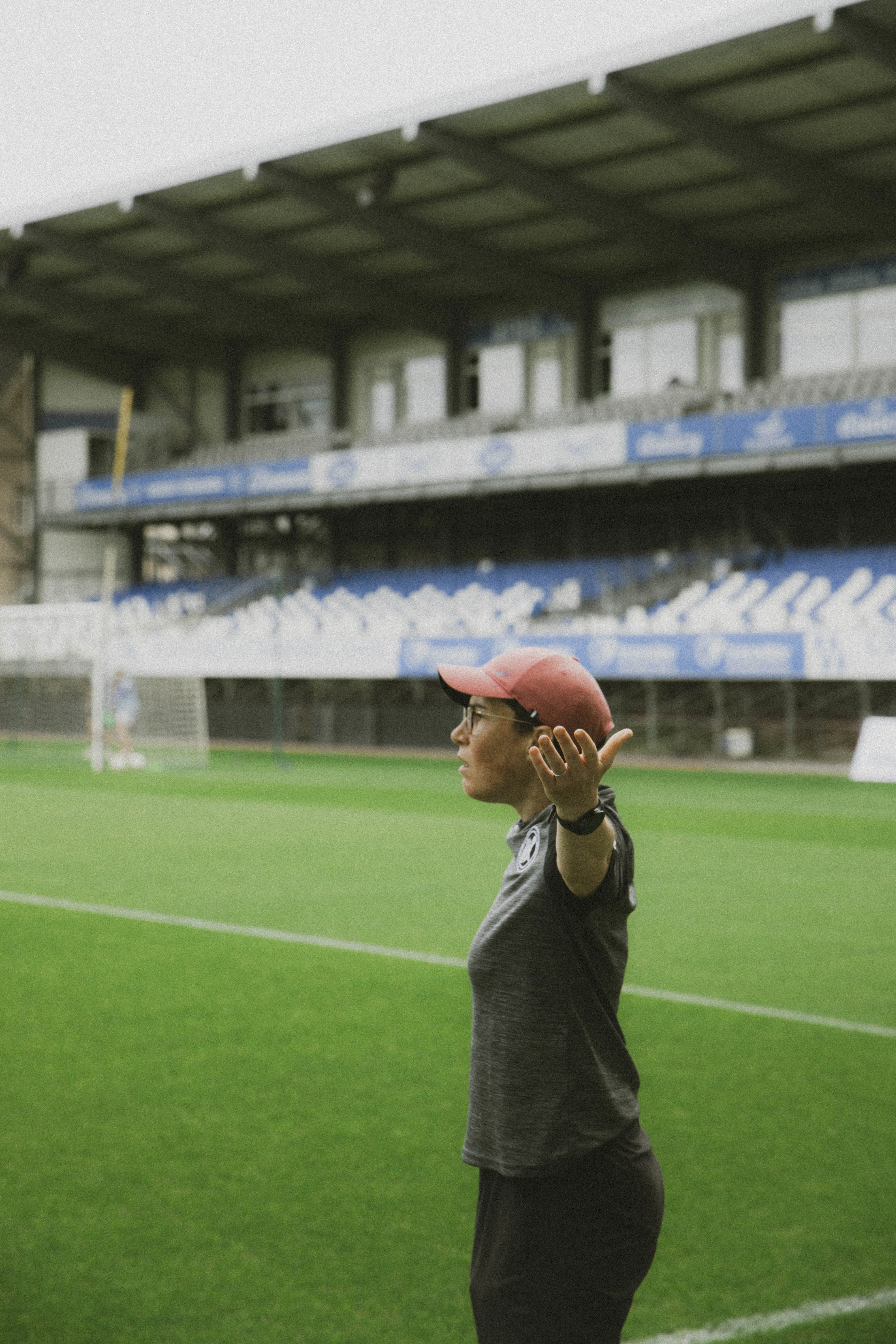
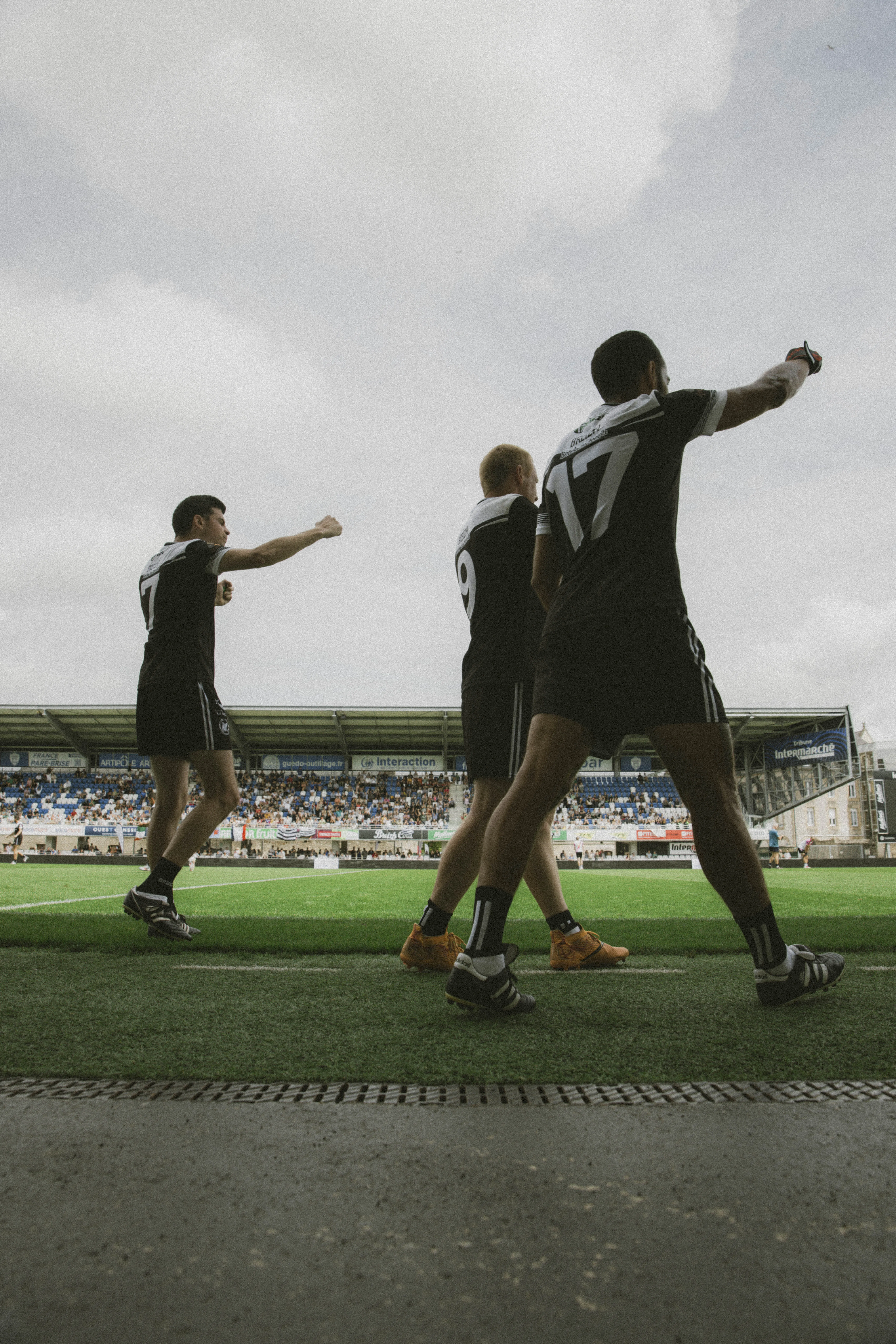
Gaelic football has naturally found fertile ground in Brittany. France’s quintessential Celtic region shares much more with Ireland than just a vague cultural kinship: a minority language, musical traditions, and a history marked by the struggle to preserve its identity. For many Bretons, Gaelic football has become a living link to these shared roots.
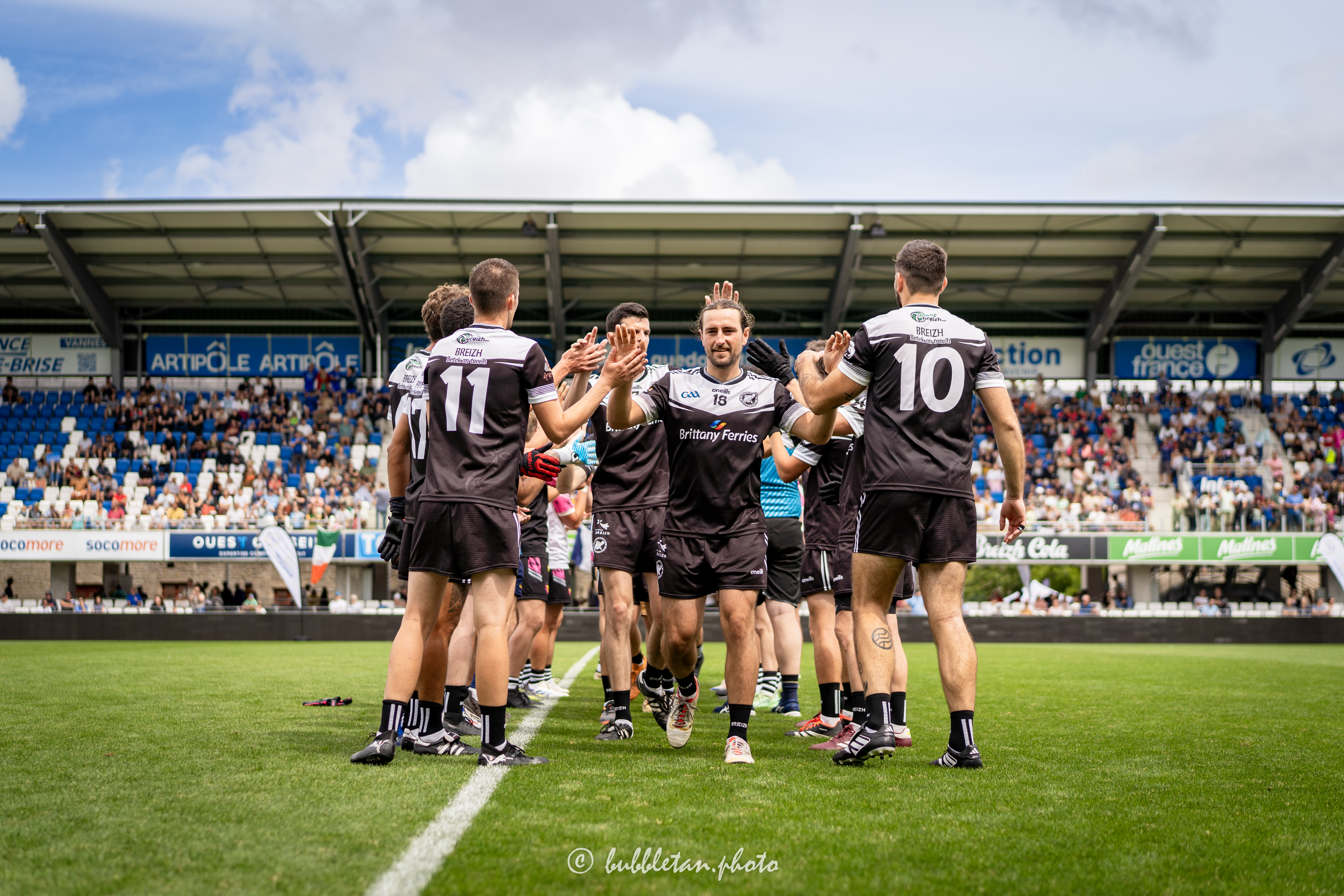
Today, there are several active clubs in Brittany, united under the Breton Gaelic Sports League, which works closely with the Gaelic Sports Federation and the Irish GAA. Regional and national championships are held every year, and Breton teams regularly participate in international competitions, such as the one held this summer in Waterford.
At the national level, the Fédération des Sports Gaéliques (FSG) coordinates the development of the sport throughout the country. In particular, it fields the French national teams in international tournaments, such as the Celtic Cup, a competition that brings together the Celtic nations of Europe.
And this growth is truly remarkable today: the Federation is ending the season with nearly 1,600 registered members, representing an increase of about 250 to 300 new members in one year. This represents a rise of nearly 18 percent—the sharpest increase ever recorded in the Federation’s history. This momentum speaks volumes about the growing popularity of this sport in France.
Another event lends special significance to this Gaelic summer: as of July 1er, 2026, Ireland has assumed the rotating presidency of the Council of the European Union for six months. This coincidence in timing is no small matter, as it began just a few days before the Celtic Cup in Santiago de Compostela.
Both the Federation and the Irish government view this Irish presidency as a unique opportunity to raise the profile of Gaelic sports in Europe. Irish Minister of Sports Charlie McConalogue also highlighted in an op-ed published in the Irish Independent the opportunity this presidency presents to expand the participation in Gaelic sports beyond Ireland’s borders, particularly in France.
For Le Comptoir Irlandais, this is yet another symbol: just as Ireland takes the reins of Europe, its sporting traditions are spreading as far as Brittany, Galicia, and far beyond.
It is no coincidence that Le Comptoir Irlandais chose to partner with Gaelic sports. Through our interactions with the clubs and federations, we have discovered values within the culture of this sport that lie at the heart of our own identity.
The Clermont Gaelic Football Club hosted the finals of the French Gaelic Football Championship on Saturday, June 20, 2026. Le Comptoir Irlandais was there on the sidelines, with banners and kakemonos in our colors. A local commitment, right alongside the players.
2025–2026 Championship Results:
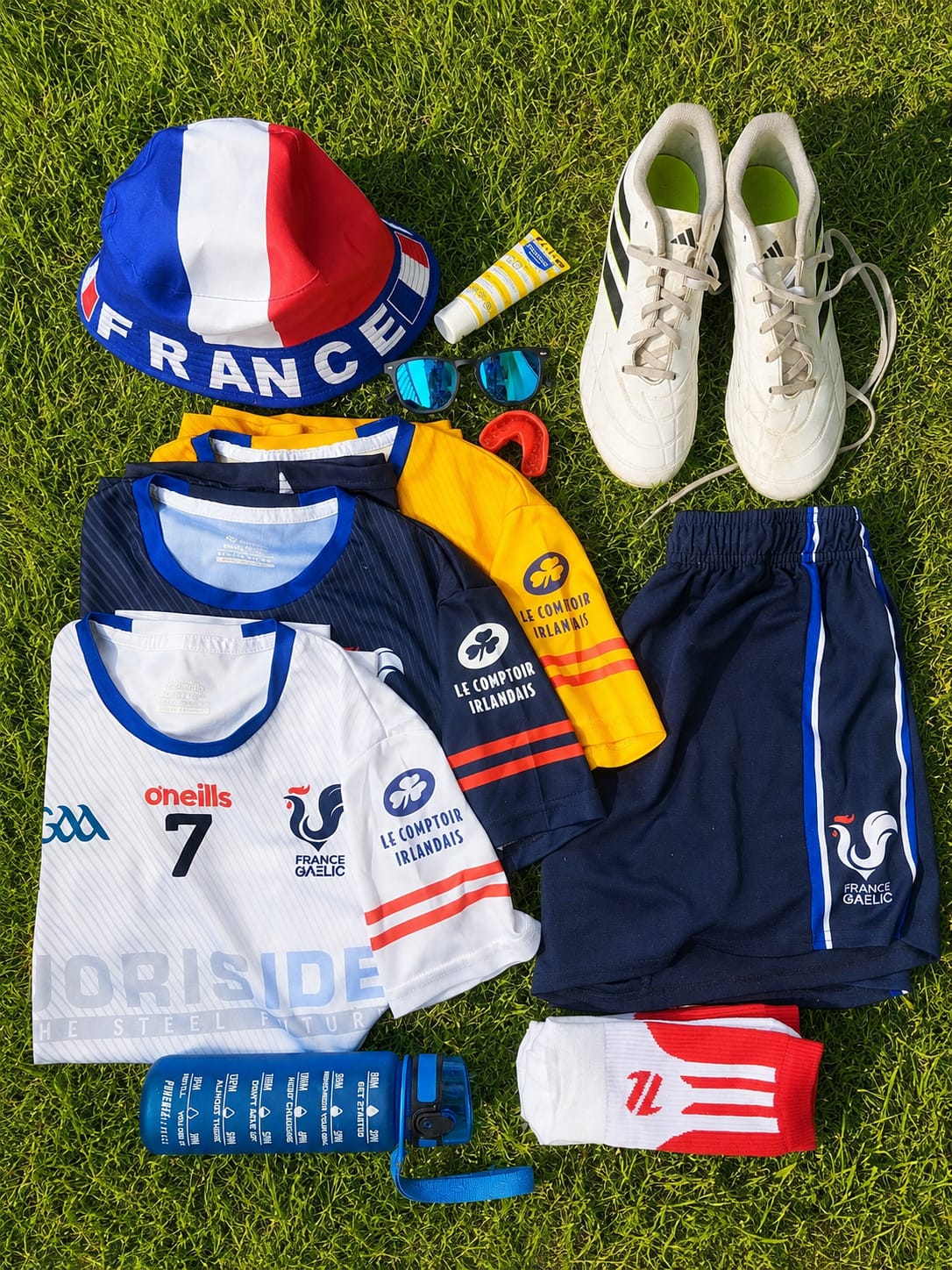
The French Gaelic Football U-21 teams, fielded by the French Gaelic Football Federation, headed to Galicia to compete in the Celtic Cup from July 3 to 5. Our logo appeared on the sleeves of their jerseys throughout the competition, held in one of Europe’s most iconic cities.
The summer's premier sporting event: the GAA World Gaelic Games in Waterford.
France will be represented there by two women’s and two men’s Gaelic football teams; four teams from the Breton Gaelic Sports League will represent Brittany on the world stage; there will also be a “France Irish” women’s team, bringing together the best Irish players competing in France, which will participate in a global competition reserved for expatriates; and finally, a French men’s hurling team—the other major Gaelic sport!
It’s a special source of pride to see our logo on their shorts all the way to Ireland. Waterford—it all starts this Monday, July 13, 2026!
|
All our cellar
Whiskies Selection -50€
Whisky
Rum
Beers
Alcohol free
Ciders
Gins
Champagne
Others Spirits
|
|
Women's Clothing
Men's clothes
Children Clothes
Kilts & Traditional Clothing
Accessories
|
|
Zero waste!
Sweet & Delicacies
Deli Corner
Gourmet Boxes
|
|
Whisky, Rum, Gin and Beer Gift Boxes
Gourmet Gifts
Tableware
Cuddly Toys
Stationery
Music
Irish gadgets
Dog accessories
|


 FR
FR

 EN
EN
Leave a comment
Log in to post comments