

 FR
FR

 EN
EN
Diary of a whisky enthusiast 2025 - Episode 2

As a whiskey enthusiast and advisor at Le Comptoir Irlandais, join me at the beginning of each month for a journey into the heart of the world of spirits. Through my publications, I will share my impressions, favorites, and all the knowledge I have acquired about these exceptional beverages. I will also take you to meet fascinating distilleries and share the secrets of their craftsmanship. An unmissable event for whiskey lovers and the curious!
Episode 2 : The Benriach : a distillery in the heart of Speyside
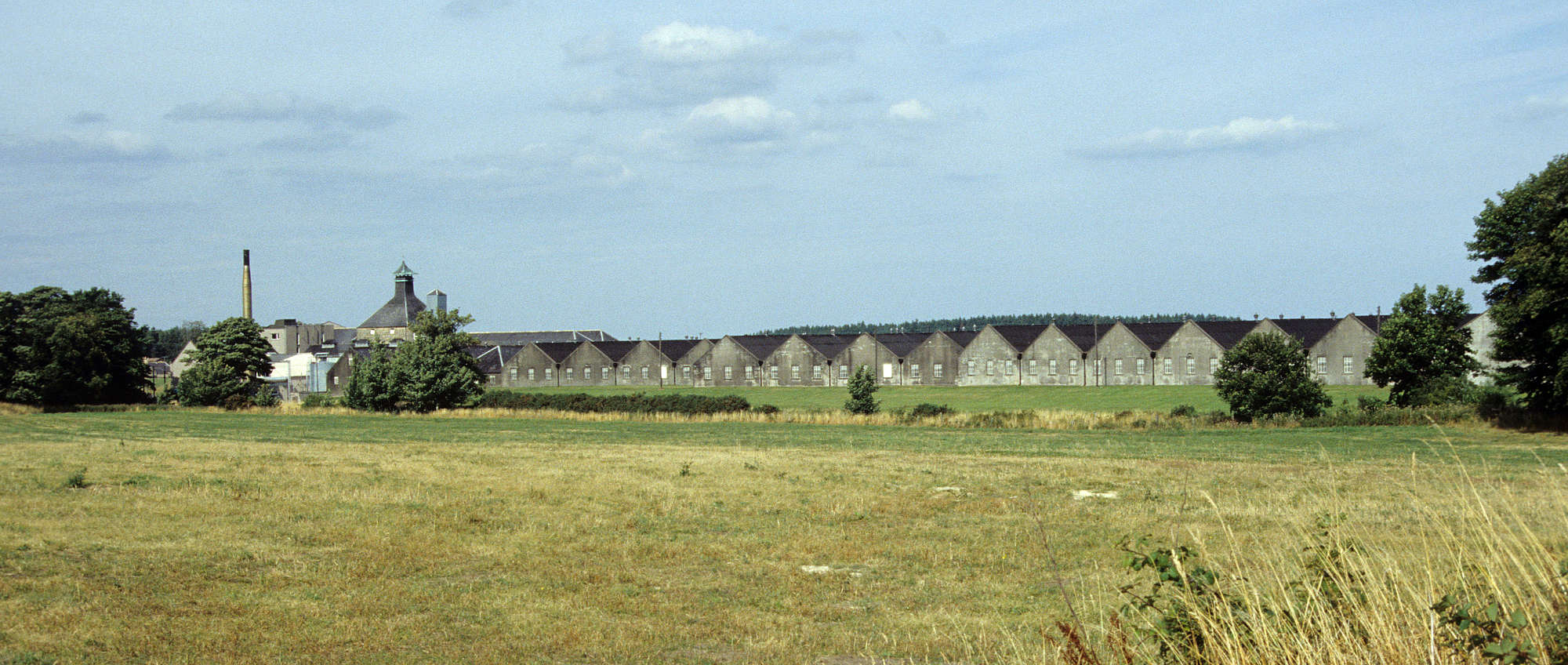
Travelling through the Scottish landscapes to explore the legendary distilleries of Speyside is a dream I fully intend to fulfil this year or next. Among them, Benriach has especially piqued my curiosity with its unique heritage and incredible whisky diversity.
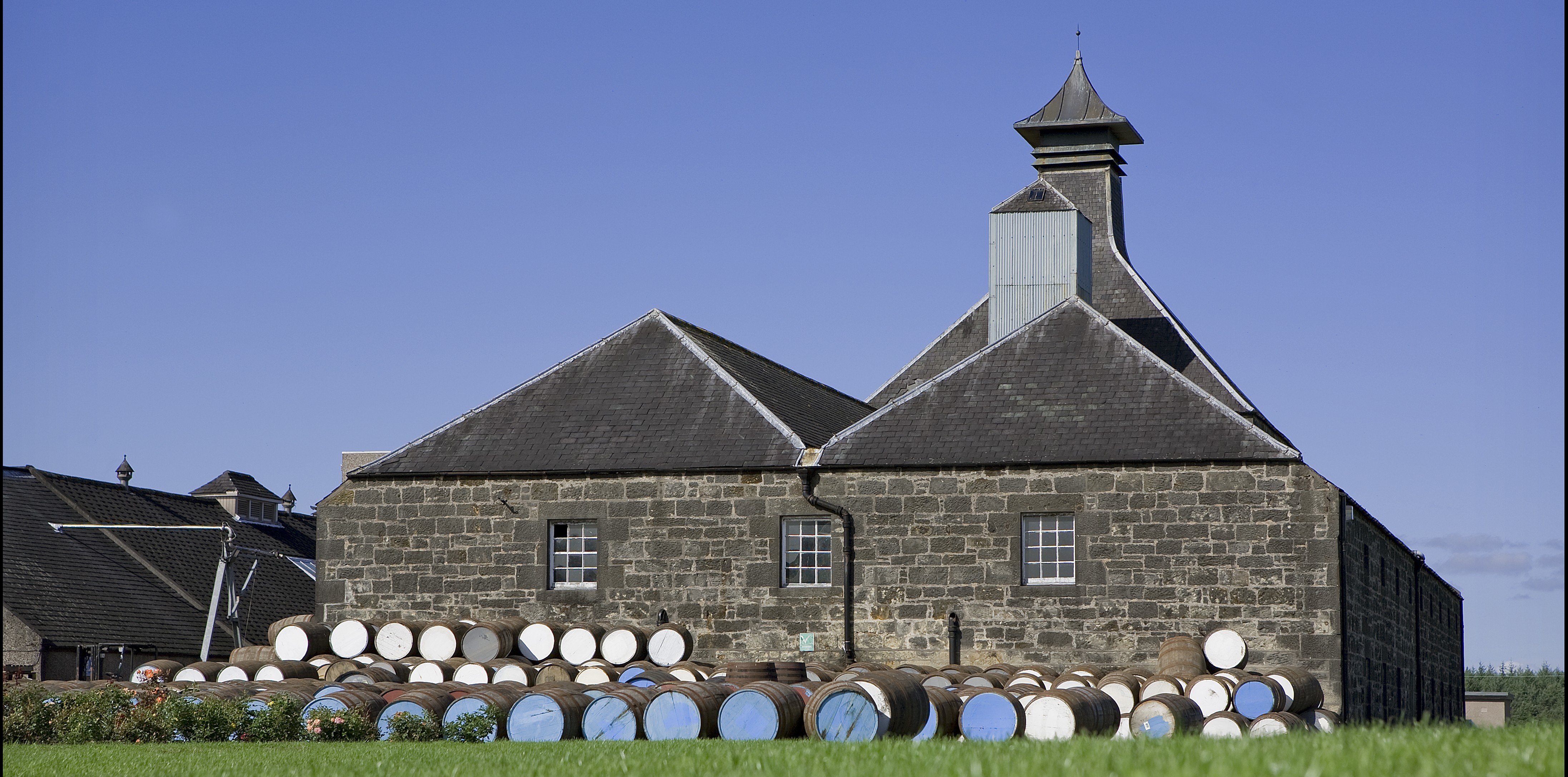
While I await the chance to visit, I had the privilege of speaking with Florian Gantheil, the brand’s ambassador for France, who guided me into the fascinating world of this distillery. From its history of innovation to its iconic expressions, he revealed the craftsmanship that makes Benriach an essential name in the whisky world.
A captivating journey that, I hope, will inspire you as much as it did me—to discover this remarkable distillery and savour its exceptional single malts!
-
Diving into the heart of the distillery
-
Can you tell us the history of the Benriach distillery and what makes it unique among Speyside distilleries?
Benriach was founded in 1898 in the heart of Speyside and has always embraced a creative and forward-thinking philosophy. It was Benriach that revived peated whisky production in the region in the early 1970s, allowing us today to have peated single malts over 40 years old in our permanent range. We also hold one of the most incredible cask collections sourced from around the world, enabling us to craft unique expressions that showcase this remarkable treasure.
For someone who has never visited Benriach, how would you describe the experience?
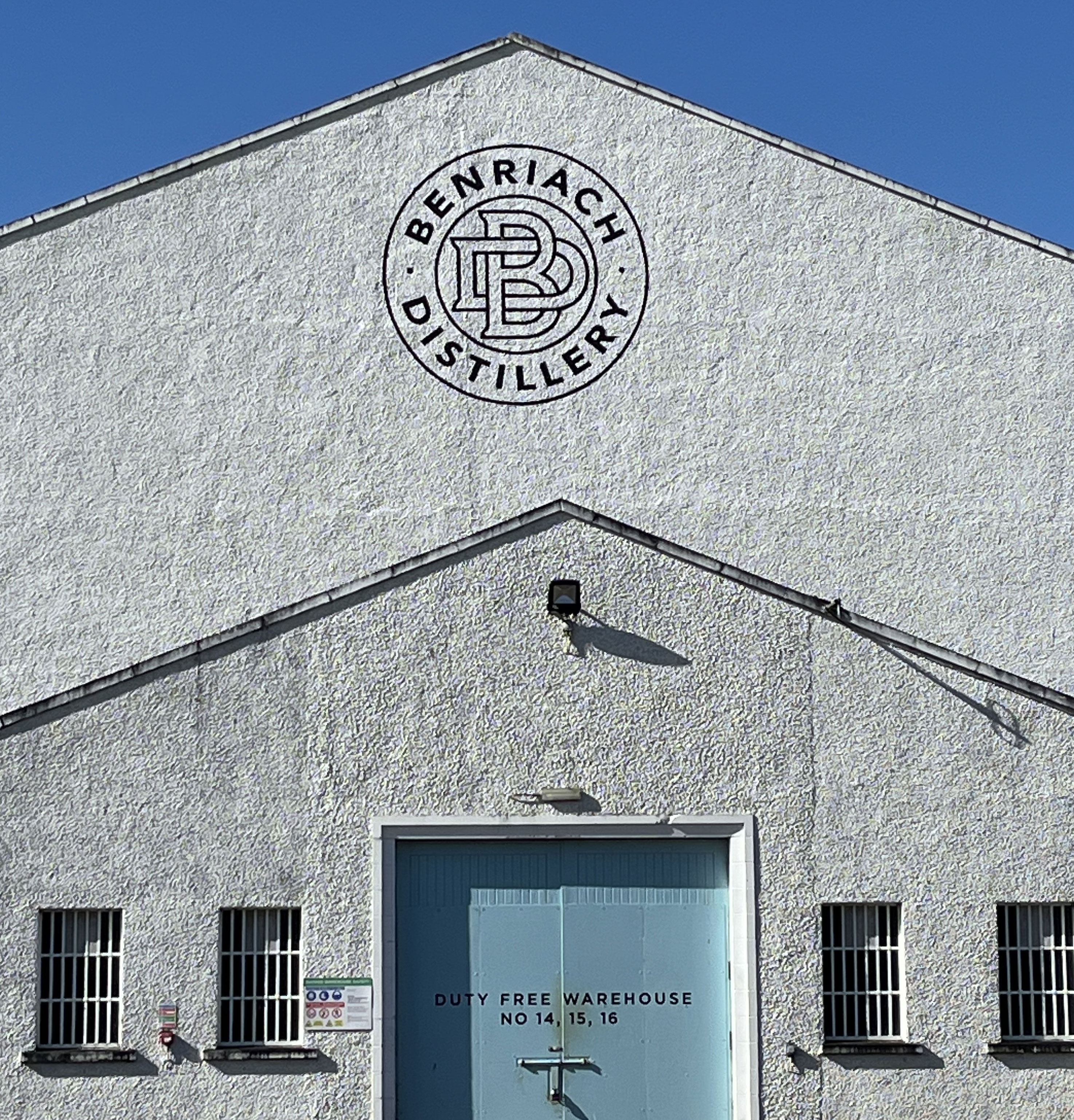
The distillery’s location on a hilltop near the sea gives it an unusually mild climate for northern Scotland—the sky is always bright, just like our single malts. A visit to Benriach takes you through all the key areas, from the malting floor to the warehouses, ending with a fantastic tasting experience.
What are the must-see spots on the tour?
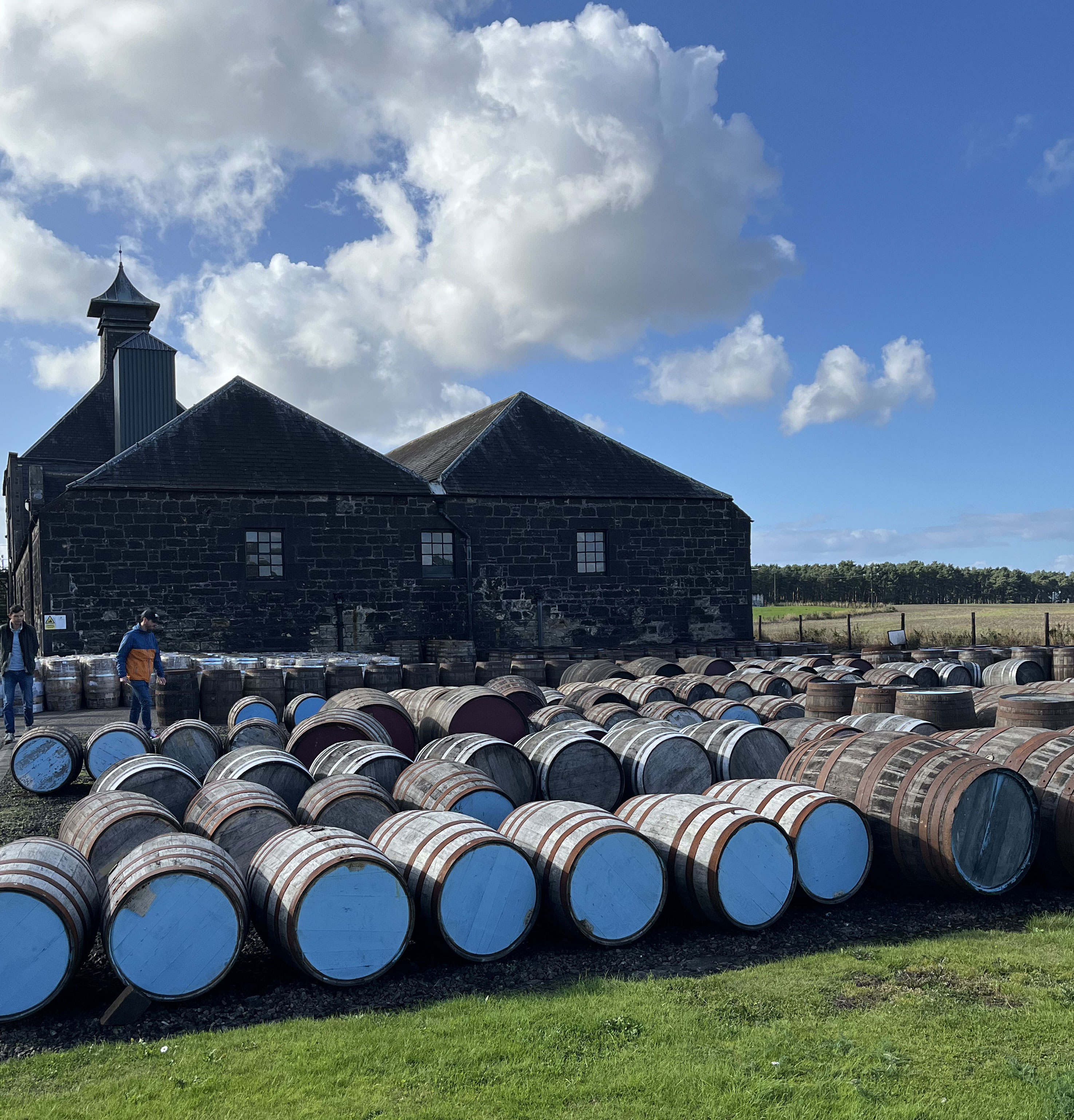
The malting floor and the warehouses are, for me, the absolute highlights. These historic spaces give visitors access to the very soul of the distillery, offering insight into Benriach’s creativity and legacy. Unfortunately, our malting floor closed last year.
Scotland is a land of whisky and stunning landscapes. When is the best time to visit the distillery, and why?
Spring is the best time! The trees begin to bud, hares roam the grounds, and the sun starts to warm up—the perfect moment to enjoy a dram outdoors.
Are there any secrets or stories about Benriach that you can only discover by visiting?
Absolutely! All our production secrets are unveiled during the tour. Benriach is a distillery where learning about whisky-making is accessible to everyone. Just like our single malts, our distillery and whisky makers make this complex world easy to understand.

L’Art de la Distillation chez Benriach
-
Benriach is known for its diverse expressions, with both peated and unpeated whiskies. Can you explain this duality and why it’s so interesting?
This creativity dates back to the 1970s, when Benriach reintroduced peat-smoking to its barley—a practice that had vanished from Speyside. The peat we use comes from the Highland hills, giving our whisky a softer, smokier profile that is more approachable for beginners while also offering connoisseurs a unique style of peat, different from the island whiskies.
Thanks to 50 years of peated whisky production and our eclectic cask collection, we now craft some of Speyside’s most distinctive single malts—including expressions aged in three or even four different cask types, triple-distilled malts, and both peated and unpeated whiskies.
Cask maturation is a key signature of Benriach. What types of casks do you use, and how do they shape your whiskies?
We use over 55 types of casks, from classic bourbon, sherry, and port to more experimental ones like tequila, world wines, and even beer casks. Recently, we’ve been exploring oak from the Carpathian Mountains and Greece.
Benriach’s vibrant, citrusy spirit allows it to age beautifully across a variety of casks, preserving both freshness and depth. When we talk about triple or quadruple maturation at Benriach, we refer to full-term maturation, not just finishing—meaning that each component whisky ages separately for at least 12 years before blending. This method maximises the influence of each cask, bringing out incredible complexity and creativity.
Sélection Exclusive du Comptoir Irlandais
-
Which Benriach whisky would you recommend for a first-time buyer at Le Comptoir Irlandais?
That depends on their taste!
- If they’re new to peated whisky, I’d suggest Benriach 10 Year Old The Original Ten—a classic Speyside profile enhanced by triple maturation, with fresh orchard fruit notes.
- For a whisky enthusiast, I’d recommend Malting Season (fully crafted at the distillery, from floor malting to maturation) or The Sixteen for its old-school complexity and subtle smoke.
For a seasoned whisky lover, which bottle is a must-have for their collection?
Smoke Season, without a doubt! A cask strength, intensely peated expression at 45ppm, it’s the most heavily smoked Speyside whisky bottled in the last century—a true must-have!
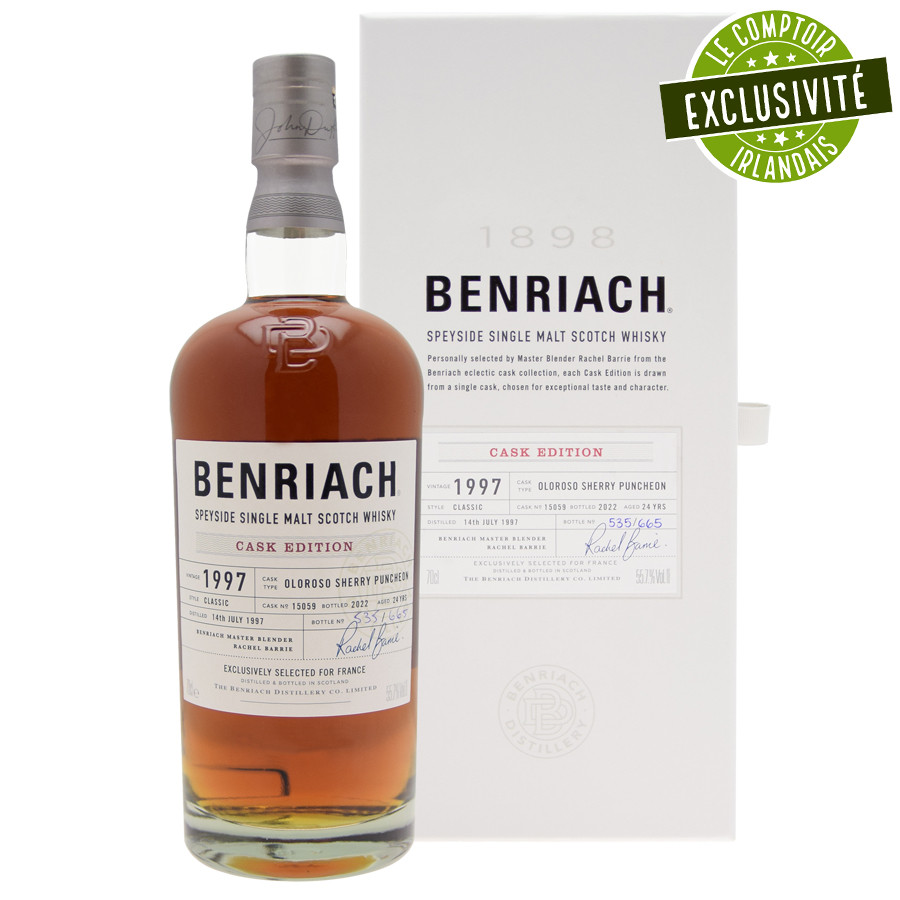
Can you tell us about our exclusive 1997 bottling?
Cask 15059 was distilled on July 14th, making it the perfect choice for the French market! Aged 24 years in a first-fill Oloroso sherry cask, each bottle is individually numbered.
What is the connection between Benriach and Le Comptoir Irlandais?
The partnership between Brown-Forman and Le Comptoir Irlandais has a long history. Strong ties between our teams have allowed us to grow together, making Benriach one of the key whisky brands at Le Comptoir Irlandais.
L’Expérience Dégustation
-
What’s your ideal way to enjoy a Benriach whisky?
On a sunny afternoon, in a Glencairn glass or even a red wine glass, which helps open up the whisky’s full aromatic profile.
Any food pairings that complement Benriach’s expressions?
- Peated whiskies pair wonderfully with blue cheese, pastries, and grilled meats.
- Unpeated whiskies go beautifully with white meats, roasted fruits, and cocktails.
Whisky is sometimes seen as a classic drink, but it also shines in cocktails. Do you have a signature Benriach recipe?
Try a Penicillin:
- Benriach 10 Year Old Original
- Sugar syrup, ginger, honey
- A splash of Benriach 10 Year Old Smoky Ten for a smoky touch
Conclusion
- How do you see Benriach evolving over the coming years? Are there any new products or innovations coming up that we should be keeping a close eye on?
The big news for 2025 is our return to the exclusive wine merchant network, as we're leaving the supermarket sector after 10 years. We're accompanying this comeback with significant price cuts that will enable as many people as possible to discover our exceptional single malts. New products: our Malting Season Batch 4 will have a 10-year age statement for the first time and will arrive in September, as will a 31-year limited edition “Shades of Smoke” whose packaging was designed by world-famous Italian artist Stefano Contiero!
What message would you like to pass on to whisky lovers who are still hesitating to discover The Benriach?
Benriach is a great Scottish classic, but it still surprises with its creativity and uniqueness. The single casks are for me the most incredible examples in terms of originality and aromatic character, due to the rarity of the cask styles used during their ageing. Peated whiskies are also superb discoveries, such as the Benriach 12-year-old Smoky Twelve, aged partly in Marsala casks, or the 21-year-old Twenty One, a quadruple matured whisky aged in Médoc red wine casks.
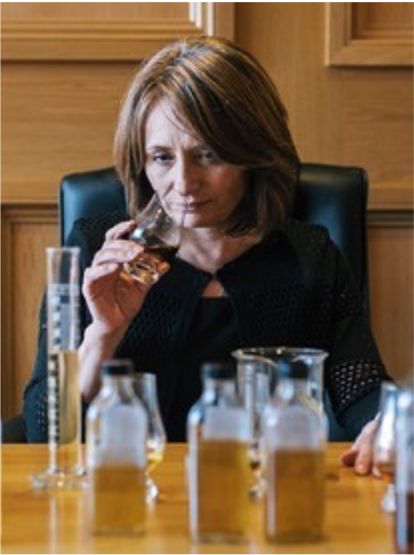
We'd also like to introduce you to Rachel Barrie, the master blender behind some of the finest Benriachs. Rachel Barrie is a leading figure in Scotch whisky. With over 30 years' experience, she has worked for prestigious distilleries such as Glenmorangie, Ardbeg and Bowmore, before joining Benriach, Glenglassaugh and Glendronach in 2017. She was the very first woman to attain the position of Master Blender in the Scotch whisky industry in 2003, and was behind the relaunch of the Benriach (2020), Glenglassaugh (2023) and The Glendronach (2024) brands. Her expertise and legendary instincts have earned her induction into the Hall of Fame, the famous pantheon of whisky personalities.
An Invitation to Travel
A huge thank you to Florian Gantheil for this captivating journey into Benriach!
His insights have only deepened my admiration for this Speyside gem, making me even more eager to explore its stunning landscapes and experience Benriach firsthand.
At Le Comptoir Irlandais, we take pride in offering these outstanding whiskies, each a testament to meticulous craftsmanship and a fascinating legacy. Whether you're new to whisky or a seasoned enthusiast, Benriach has a dram for you. So, why not embark on a sensory journey to the heart of Speyside today?
Événements à ne pas manquer !
Unmissable Events!
Meet Florian Gantheil at two exclusive masterclasses, where you can taste a superb selection of Benriach whiskies:
Brest – 11th April 2025, 7:30 PM
Libourne – 30th April 2025, 7:30 PM
Reserve your spot now and join us for an unforgettable whisky experience!
by Philomène.B
Leave a comment
Log in to post comments