Johnnie Walker: A 200-Year Journey Through Scotland


This month, Le Comptoir Irlandais is spotlighting Johnnie Walker: a story that began in a small Scottish grocery store and, over the course of two centuries, has become one of the world’s greatest whiskey adventures.

Johnnie Walker: a story that began in a small Scottish grocery shop and, over the course of two centuries, has become one of the world’s greatest whisky adventures.


Sometimes you have to start small to think big. In 1820, in Kilmarnock, Ayrshire, John Walker opened a modest grocery shop after selling the family farm. Among the products he stocked, whisky quickly took on a special place. But John Walker had an idea that would change his destiny: rather than settling for a whisky whose profile could vary from one batch to the next, he began blending different whiskies to achieve a more consistent quality and flavour.

Two centuries on, the name Johnnie Walker evokes much more than just a bottle: it embodies a particular vision of Scotch whisky, rooted in the art of blending. And to understand this philosophy, you need to set off on the roads of Scotland to visit the distilleries that give the blend its depth and character.


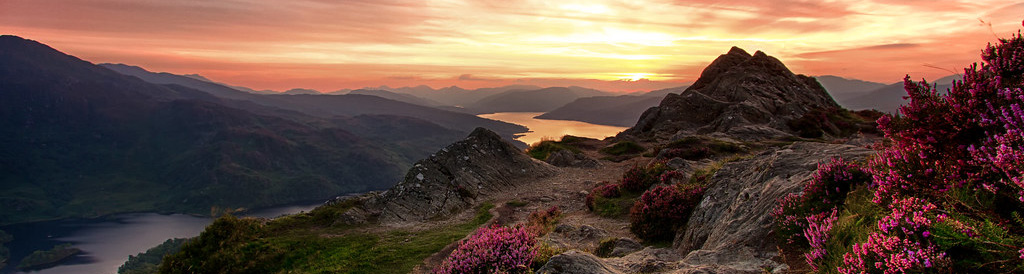
©AndyBelshaw

1. A journey that begins in Kilmarnock

Imagine Scotland in the 19th century. Journeys were still long, transport was evolving rapidly, and industrial towns were beginning to transform the country. In Kilmarnock, John Walker ran his grocery shop and was already embracing what would become one of the company’s core principles: a commitment to quality and consistency.

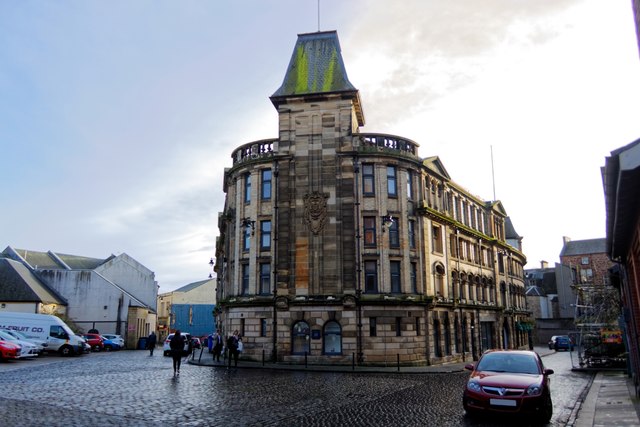
The landscape has changed considerably today. The physical link between Johnnie Walker and Kilmarnock was severed when the large bottling plant closed in 2012. But the town remains the historic starting point of the adventure. It was here that John Walker began selling and blending his whiskies, giving rise to a brand whose history would soon extend far beyond the borders of Ayrshire.

©IanRainey
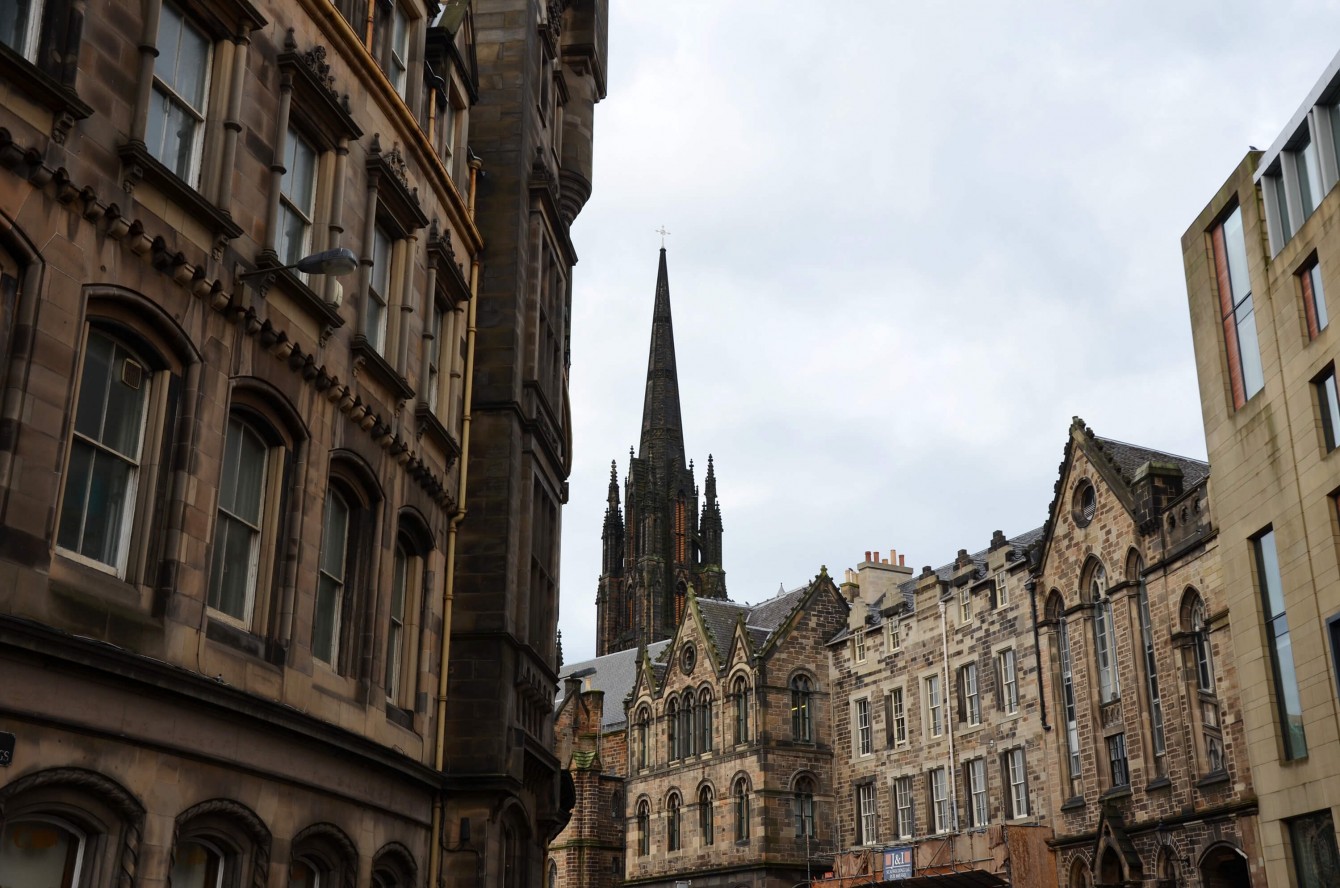
©lalunemauve

To explore the world of Johnnie Walker today, the journey takes you to Edinburgh, where Johnnie Walker Princes Street is situated in the heart of the Scottish capital. Opened in 2021 in a former department store, this immersive venue recounts over 200 years of history and offers visitors the chance to discover the philosophy of blending through the different flavour profiles of Scotch whiskies.

But to truly understand Johnnie Walker, you have to leave the city and travel the length and breadth of Scotland. For behind every blend lie different landscapes, climates, waters and, above all, different areas of expertise.


2. De l’épicerie familiale à une icône mondiale

The story of Johnnie Walker quickly saw a turning point with his son, Alexander Walker.

When John Walker died in 1857, Alexander took over the company. He will transform the family business and make whisky his real engine. His experience of commerce and his sense of assembly allow the house to take on a new dimension.

In the 1860's, Alexander created the family's first commercial assemblage, Old Highland Whisky. It is one of the great milestones in the history of Johnnie Walker and the ancestor of what will become the famous Black Label.

Then come several choices that have become iconic.

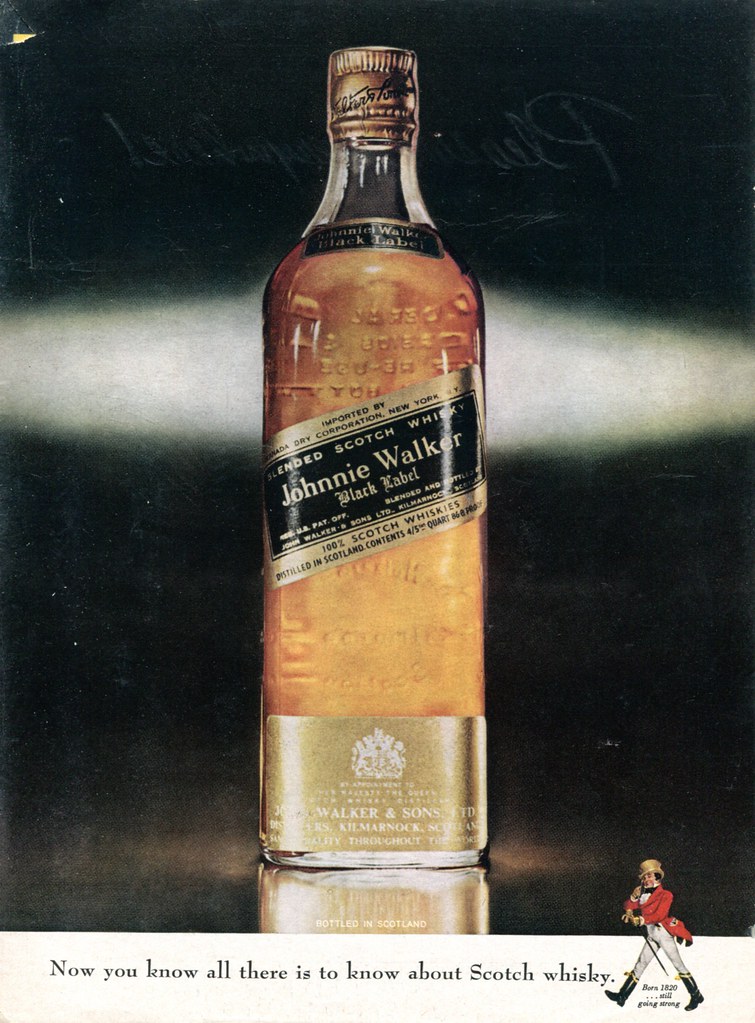
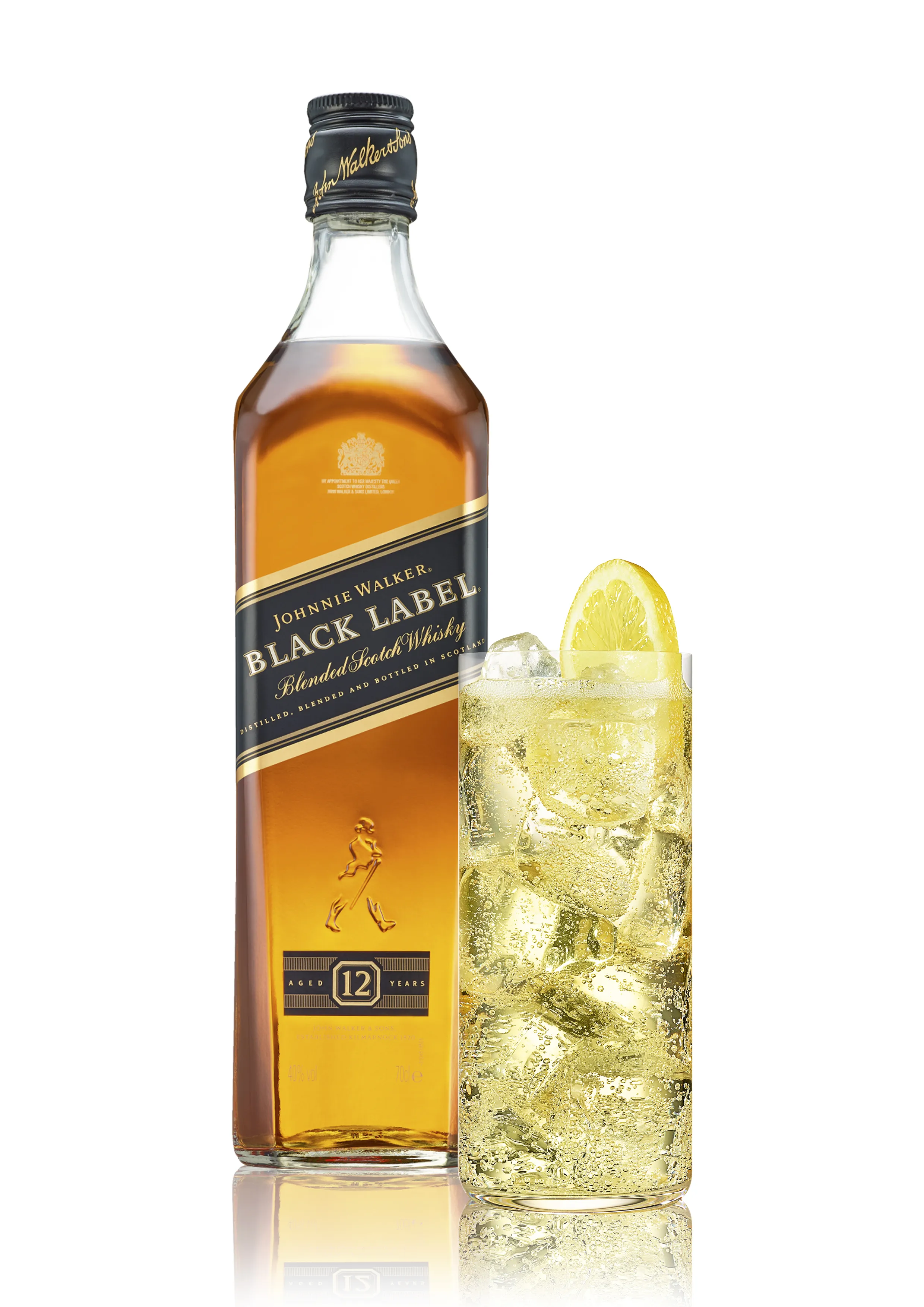
The square bottle appears in the 1870's. In particular, it makes it possible to better withstand handling and transport, while optimizing storage. The inclined label then becomes a strong visual signature: it allows to distinguish the bottle on the shelves and participates in the identity of the brand.

In 1908 finally appears the character that the whole world recognizes today: the Striding Man, created at the request of the Walker family by the illustrator Tom Browne. The brand then officially adopted the name Johnnie Walker and developed around the character an image associated with movement, progress and ambition.

Success becomes international. By 1920, Johnnie Walker was already on the market in over 120 countries. Today, the brand is present in more than 180 countries.

A story which, however, is anything but a long, peaceful river

Johnnie Walker’s success was built despite numerous difficult periods: the Kilmarnock flood of 1852, the untimely deaths of several family leaders, the two world wars, American Prohibition, the Great Depression and various economic crises all had a profound impact on the whisky industry.

The brand experienced periods of slowdown before bouncing back. This ability to weather crises partly explains the significance of the famous slogan ‘Keep Walking’, which has become much more than just an advertising slogan: it is a genuine brand philosophy.


3. The Walkers… and the women behind the story

John Walker lent his name to the company, but its history spans several generations.

His son Alexander played a key role in the company’s commercial development and in the creation of its blends. His grandson, Alexander Walker II, subsequently helped to consolidate the business and expand it internationally.

But there is another story worth telling: that of the women who helped shape the whiskies that have become the cornerstones of Johnnie Walker.

Elizabeth Cumming, a woman in the history of Cardhu

A few hundred kilometres from Kilmarnock, in Speyside, lies Cardhu.

The distillery was founded in 1824 by John Cumming, who was then operating illegally. Several generations later, Elizabeth Cumming took over the running of the family business. A determined businesswoman, she expanded the distillery considerably and helped to establish it as a leading name in Speyside.

In 1893, Cardhu was acquired by John Walker & Sons. Its whisky subsequently became an important component of Johnnie Walker blends.

This story serves as a reminder of a reality that is often overlooked: behind the major whisky houses, there are also women who have run distilleries, developed products and passed on their expertise.


Emma Walker: a new generation

Today, the story continues with another Walker — though she is not related to John.

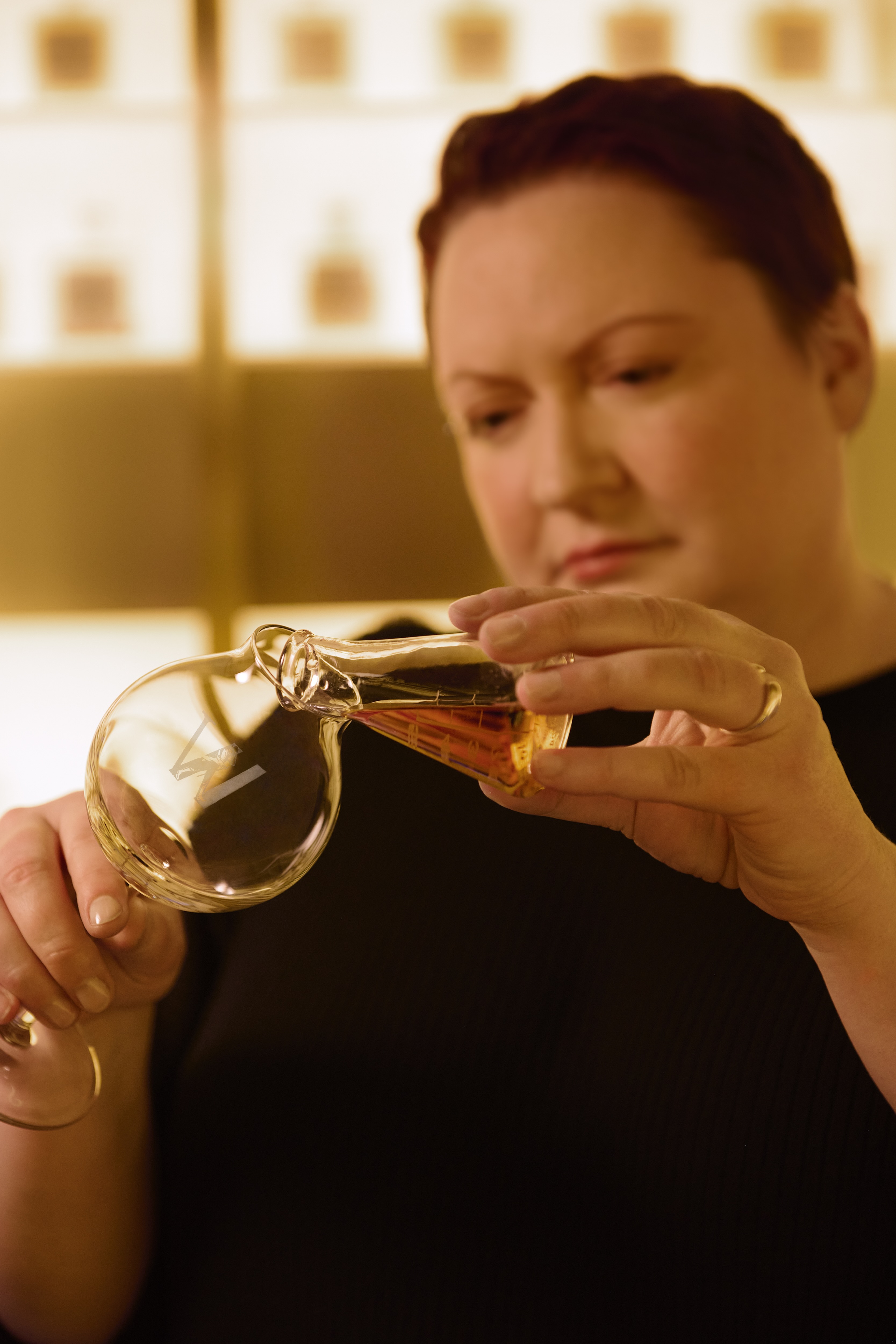
Dr Emma Walker became, in 2021, the first woman to hold the position of Master Blender at Johnnie Walker in over two centuries of history. She succeeded Dr Jim Beveridge, who had spent more than 40 years at Diageo, including 20 as Master Blender.

Emma Walker leads a team of specialists responsible for working on the many whiskies used in Johnnie Walker blends. Her role involves, amongst other things, maintaining consistency in the flavour profiles whilst exploring new expressions.

A fine example of how, at Johnnie Walker, the name may be steeped in history… but the craftsmanship continues to evolve.


4. The secret of Johnnie Walker: bringing together the four corners of Scotland

This is probably where the story becomes most fascinating for whisky enthusiasts.

Johnnie Walker is not produced at a single distillery. The brand’s style is based on a blend of malt and grain whiskies from various Scottish distilleries.

The four iconic distilleries directly associated with the Johnnie Walker brand are:

Glenkinchie – the Lowlands

We’re off to the Lowlands, in the south of Scotland, to discover Glenkinchie.

The distillery is regarded as the Lowland Home of Johnnie Walker. Its whisky, in particular, brings lighter, floral notes to the blends. Its rural setting contrasts with the hustle and bustle of Edinburgh, which is nevertheless relatively close by.


Cardhu – le Speyside

At Cardhu, in Speyside, the landscape changes.

The region is renowned for its whiskies, which are often elegant and fruity. Cardhu malt brings a smooth, rich dimension to Johnnie Walker blends. The distillery plays a particularly important role in the company’s history, especially since it was acquired from Elizabeth Cumming in 1893.


Clynelish – the Northern Highlands

Further north, the scenery becomes spectacular.

Clynelish is situated in Sutherland, close to the coast. The current distillery began production in 1969, following the construction of a new site near the old distillery, which became Brora. Its whisky is renowned for its fruity, waxy and slightly coastal profile.

Clynelish thus brings a distinctive texture and depth to the blends.


Caol Ila – the island of Islay

Finally, we set course westwards, towards Islay.

Situated near Port Askaig, Caol Ila looks out towards the neighbouring island of Jura. Here, the sea air, the peaty landscapes and the island’s smoky character all contribute to a whisky that is very different from those produced in the Lowlands or Speyside.

Caol Ila is one of the main sources of smoky character used in Johnnie Walker blends. The distillery currently has six stills: three wash stills and three spirit stills.


Four distilleries, four personalities

Lowlands, Speyside, Highlands, Islay: four regions, four distinct styles.

It is precisely this diversity that makes blended Scotch so special.

And Johnnie Walker should not be reduced to these four sites: other distilleries within the Diageo network also supply whiskies for the blends, depending on the specific products and flavour profiles sought. The ‘Four Corners’ are, above all, the four iconic distilleries chosen to represent the key regional characteristics at the heart of the Johnnie Walker experience.


5. From barley to the glass: the art of blended Scotch

To produce a blended Scotch, two main categories of whisky are used: single malts and single grains.

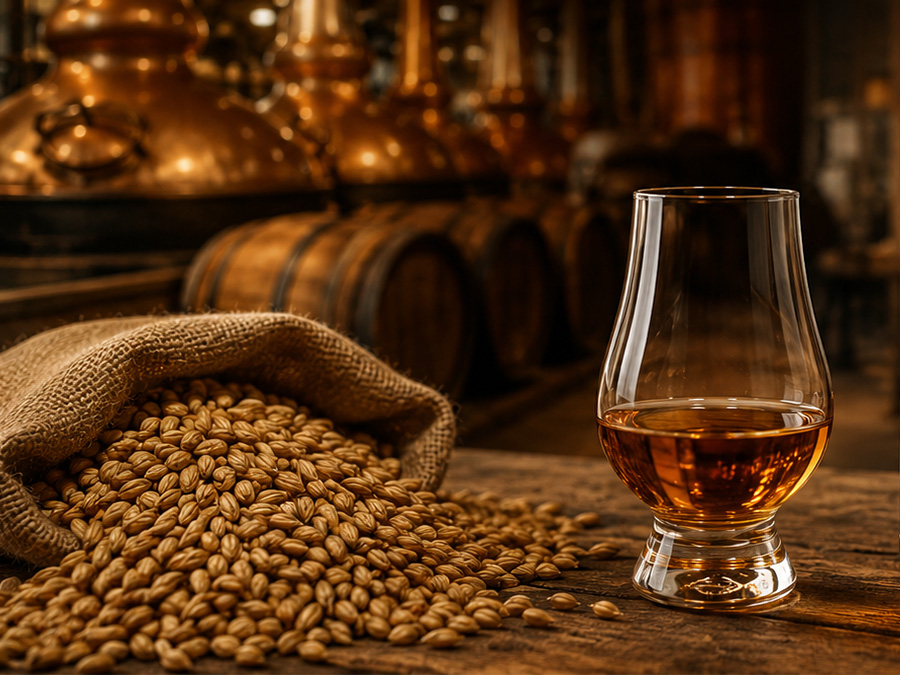
Malt whisky is made from malted barley. After malting, mashing and fermentation, the liquid is distilled in copper stills. Grain whisky also uses cereals and is usually produced in continuous stills.

After distillation, another crucial stage begins: ageing.

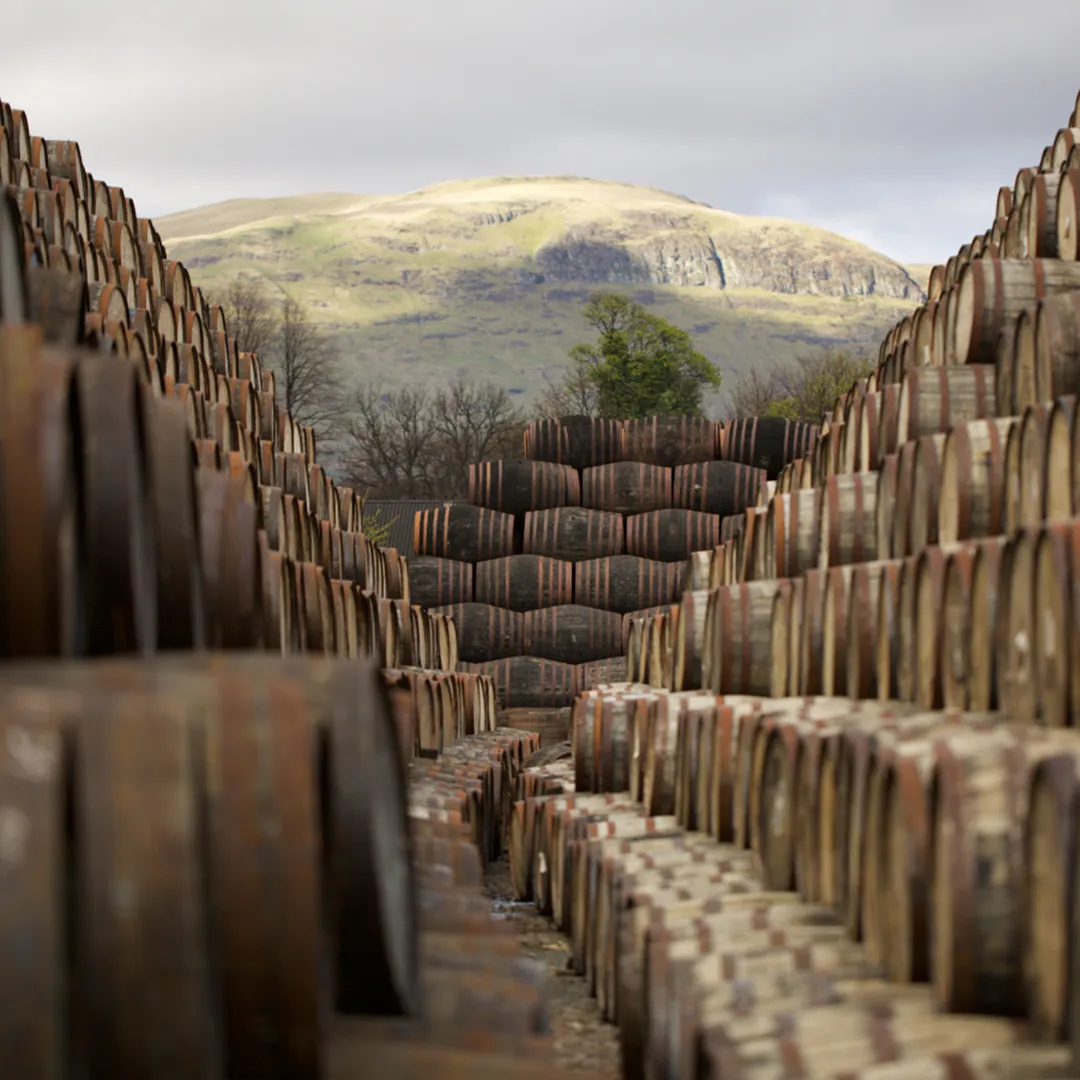
Whiskies are aged in oak casks for at least three years in order to be legally entitled to bear the designation ‘Scotch Whisky’. Casks that have previously contained bourbon, sherry or other wines and spirits can impart their own flavours and textures to the whisky.

But for Johnnie Walker, the real work of a master craftsman comes next.

The Master Blender and his team select different whiskies and decide on the proportions in which to blend them. Each component plays a role: some contribute fruitiness, whilst others add body, smoothness, spice or smokiness.

The challenge is twofold: to create a complex and well-balanced whisky, whilst also maintaining the style expected of this iconic expression year after year.

It is this quest for consistency that transforms blending into a true art form.


6. Scotland, captured in a bottle

One of the best ways to understand Johnnie Walker is, in fact, to look at a bottle as if it were a map of Scotland.

Imagine a whisky with fruity notes from Speyside, enriched by the floral freshness of the Lowlands, structured by the waxy, coastal character of the Northern Highlands, and finished with a hint of smoke from Islay.

Each whisky retains its own identity, but the blending creates something new.

That is the whole philosophy behind Johnnie Walker:

Don’t pit Scottish terroirs against one another, but encourage them to engage in dialogue.

The brand refers to the ‘four corners of Scotland’, but this expression is, above all, an invitation to travel. Each region contributes a piece of the jigsaw.


7. From the classics to the most prestigious expressions

The Johnnie Walker range allows you to experience different levels of intensity and complexity.
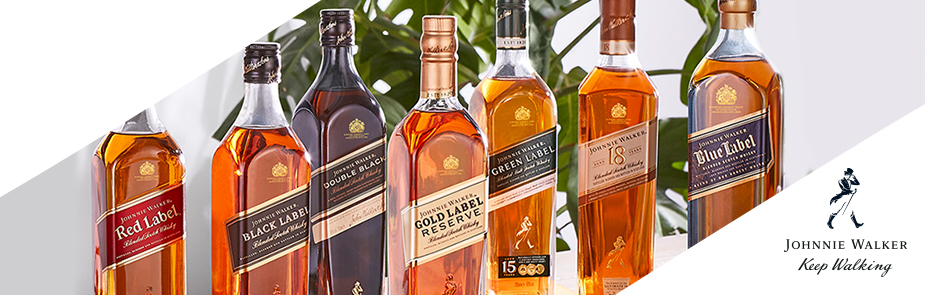
Johnnie Walker Red Label

The Red Label is the emblematic reference of the range and is part of a lively and accessible style. It has been designed to be enjoyed in long drink or cocktail.
Johnnie Walker Black Label

The Black Label is a 12-year-old blended Scotch, built around a deeper, fruity, spicy and smoked profile. It is one of the historical references of the house and one of the great classics of blended Scotch. The Irish Counter currently offers it in its selection Johnnie Walker.
Johnnie Walker Green Label

The Green Label is distinguished by an important feature: it is a blended malt, composed exclusively of malt whiskies from different distilleries. It allows to explore more the influence of regions and single malts in the Johnnie Walker universe.
Johnnie Walker Gold Label Reserve

The Gold Label Reserve favors a round, gourmet and bright style, with an important place given to fruity and honeyed notes.
Johnnie Walker Blue Label

The Blue Label is one of the most prestigious expressions of the house. Its blending is based on the selection of rare and sought-after whiskies, with a particular search for depth, complexity and balance.

To these references are regularly added limited editions and special creations, especially around aging, finishes in barrels or selections of rare whiskies.

The offer therefore evolves regularly: rather than considering the range as fixed, it must be seen as a field of experimentation where the heritage of the house meets new ideas.

8. Territory as a guiding principle

It would be easy to portray Johnnie Walker as a commercial success story. However, that would be to overlook the essential point.

Johnnie Walker is, above all, a deeply Scottish story.

Kilmarnock is the starting point. The Lowlands, Speyside, the Highlands and Islay are the various chapters.

At Glenkinchie, the agricultural landscapes of the Lowlands complement a more delicate and floral whisky.

At Cardhu, the hills of Speyside surround a distillery whose history is closely linked to the Cumming family.

At Clynelish, the northern Highlands offer a wild, coastal landscape.

At Caol Ila, the island of Islay exudes its maritime and peaty atmosphere.

Whisky thus becomes a way of travelling without leaving home: every glass reveals another side of Scotland.


9. the tasting

So, how should you enjoy Johnnie Walker to gain a better understanding of its history?

Just get started.

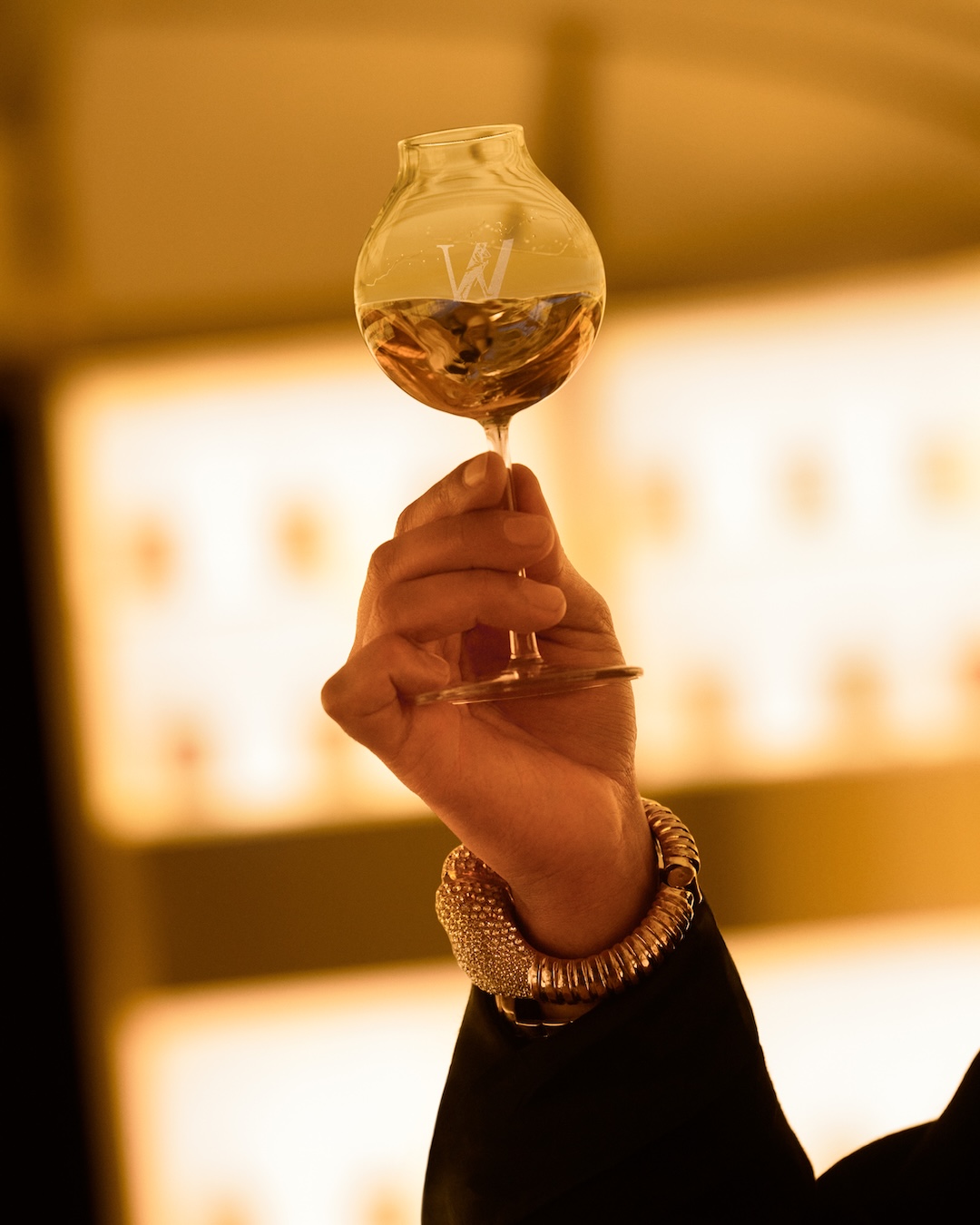
Pour a small amount into a tulip glass and take a moment to observe the colour. Then gently swirl the whisky and bring it to your nose without rushing.

First, look for fruity and sweet notes: apple, pear, dried fruit, honey or vanilla, depending on the wine’s character.

Then go back to the glass.

Spicy notes may emerge, followed by wood, cereal or smoke. In the more distinctive varieties, the peaty and smoky character can become much more pronounced.

When tasting, take a small sip and let the whisky develop on the palate for a few seconds.

The point is not to find ‘the right answer’ straight away. Tasting is, in fact, an opportunity to observe how different flavour profiles can follow one another and balance each other out.

And for those who prefer cocktails, Johnnie Walker is also ideal for highballs, whisky sours or more contemporary creations. The brand itself now promotes a very broad approach to whisky, ranging from drinking it neat to cocktails and food pairings.



10. Johnnie Walker and Le Comptoir Irlandais: a shared desire to take people on a journey

Since its inception, Le Comptoir Irlandais has been introducing its customers to products from Celtic and British cultures, with a particular focus on fine Scotch whiskies.

Johnnie Walker fits right in with this world.

The brand tells a story that is particularly close to our hearts: a journey through taste.

Behind a bottle of Johnnie Walker lies more than just a blend. It embodies Kilmarnock, the hills of Speyside, the coastlines of the Highlands, the peaty landscapes of Islay and the Lowlands.

Our selection therefore offers the chance to discover one of the brand’s historic classics, notably the Johnnie Walker Black Label 12 Year Old, whilst exploring the wider range of Scotch whiskies that make up this world.

And perhaps that, ultimately, is what makes Johnnie Walker so interesting: a bottle can be a destination in itself.


Johnnie Walker: moving forward

In 1820, John Walker opened a small grocery shop in Kilmarnock.

He probably never imagined that his name would one day be known in more than 180 countries.

Two hundred years on, the figure in the hat, striding purposefully, continues to move forward.

But behind the Striding Man lies, above all, a simple idea: to strive for quality, to experiment, to evolve and never to stop moving forward.

Keep Walking.

Why not start your journey with a glass of Johnnie Walker?


Written by Philomène B.


Share the post

Leave a comment

Log in to post comments

Loading...
My account Contact
Filter results
€0.00 €43,005.00